
 631-388-6640
Calculating the Value of Your Home
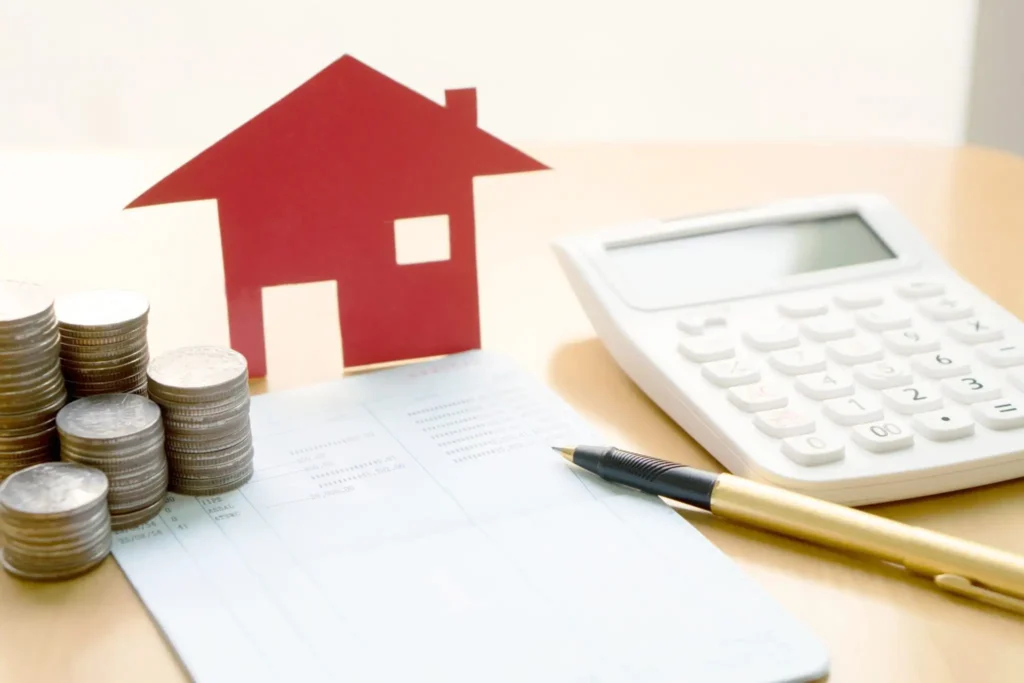
Many homeowners assume their property is worth about the same as a neighbor’s home that recently sold. While nearby sales can provide a helpful reference point, they don’t always tell the full story. Factors such as your home’s condition, upgrades, lot size, layout, and current market conditions can all significantly affect its value.
If you’re planning to sell, relying on incomplete information can lead to pricing mistakes that may cost you time, money, and potential opportunities. Setting the right price is one of the most important steps in a successful home sale, and understanding your property’s true market value is essential.
In this guide, we’ll explore how home values are calculated, the key factors that influence pricing, and some of the most common mistakes homeowners make when estimating their property’s worth. By taking a more informed approach, you’ll be better prepared to make confident real estate decisions.
Want a quick and hassle-free way to learn what your home may be worth? MrCashBuyer can provide a fast cash offer and help you better understand your property’s value.
Calculating the Value of Your Home
How the Pros Calculate Your Home’s Worth
Most real estate professionals use the same high-level process to value homes. It involves two steps: finding comparables and adjusting.
Experienced real estate professionals have a high-level standard for doing a valuation of your home that has 2 steps:
Step 1: Comparables
Comparables or “comps,” for short, are home sales in your area that can be used as a base when estimating your own property’s price. Here, the keyword is “comparable” since obviously even the last 3 houses sold in your neighborhood will greatly differ due to factors such as size, build, and amenities, among many other factors.
However, with enough research, you may be able to find at least 4 houses that are like what your house might look like on the market. Some tested comps include:
- Recency: These are the best choice of properties sold a minimum of 90 days and no more than a maximum of 12 months past.
- Feature Comparison: These are the homes that compare side-by-side with yours in characteristics such as square footage, style of home, and the number of rooms like bathrooms and bedrooms.
- Distance: These homes are like yours in your neighborhood. It should be as close to possible in order to have HOA guidelines no different than yours.
- Location: Apart from the neighborhood, you also need to identify comparable homes in environments similar to yours such near waterfronts, commercial areas, etc.
Step 2: Adjustments
It might turn out that you can’t even find a comparable property much less two when identifying your comps. It’s a reality: no two properties will be 100% alike. Even if you get all bases to connect, other factors will keep each property distinct from upgrades and maintenance.
As a result, a dollar value adjustment will be necessary to compensate for these differences.
You should first take each comparable and compare it side-by-side to your home’s features. Next, you should identify their distinct differences including square footage and the number of bathrooms and bedrooms. You can then add or subtract the value of the difference from the overall comp.
Here’s an example: Your home has 5 bedrooms while the comp only has 3. You will know need to find out just how much the comp would have sold if it had 5 bedrooms too.
You would need to estimate how each bedroom costs based on your comp then add 2 to the sale price of the comp to get an estimate of your 5-bedroom house.
You will need to estimate using all the variations (even slight) between your comp and your own home. This will estimate how much your home will sell in the same market conditions.
You can figure out just how much to add or deduct by doing meticulous research of homes sold in your area. It is better to identify more than one comp to give you a better point of comparison.
Comps can also include removal of features your own house might not have. Once again you will compare 2 comps to find the magic number.
Aside from adjusting for home features, sometimes you might also need to adjust for market trends like how quickly homes in your area have been appreciating.
For example, if you’re in a market where homes have been appreciating quickly but some of your comps are several months old, you might make an adjustment equal to the percentage of appreciation over that period. Appraisers call these “date of sale adjustments.”
Of course, like any good real estate agent, you will also need to adjust for factors like market trends, including how fast homes in your area are appreciating.
To illustrate, if the local real estate market is one where homes are appreciating quickly but a couple of your comps are a few months old, you will need to make adjustments that reflect this time and the appreciation occurring. These are also known in the market as “date of sales adjustments.”
These Mistakes Will Cost You
Now that you have a sense of the overarching process to value a home, let’s go over the top three mistakes people make when choosing comparables and adjusting:
As you can see home valuation is a multifaceted process from research to adjustment. While there is a science, even experienced real estate experts might make the top 3 mistakes when choosing your comps and making the adjustments we touched on above.
1. Is your neighbor’s asking price close to your home’ value?
It’s an easy mistake to value your home by looking at how much current homes in the neighborhood are listed for. Just because a home is listed for a certain price, doesn’t mean it will sell for that amount. In fact, if you’re basing your valuation off a home that’s been on the market for a while, it’s more than likely that home is overpriced.
This a common error of estimating your home value by identifying properties in your neighborhood that have just sold. A home listed for a specific price tag located in your neighborhood does not automatically mean your own home will sell anywhere that amount.
For example, the home you’re comparing yours too might have been listed in the market for a while so maybe it is overpriced.
You need to keep these 3 types of status when dealing with comps: active, pending, and closed. Closed means the home has just recently sold. You should seek out comps that are closed since they will have the most accurate data.
On the other hand, pending sales have been recently put under contract. They might not prove of use to you as a comp since these properties don’t have a final sale price yet. And finally, homes listed as active won’t help you either since they are still active in the market.
Their homeowners might list them at a price based on what they want, not what they will get.
2. Outlier Comps
You might be tempted to look at those houses in your area that have sold the highest. However, it would be a mistake to pull your home valuation on that. Therefore, it is not a good idea to use these as comps.
Several factors outside of the home’s actual value might have contributed to this higher price especially if the price is not typical in your area. This will make the certainly very unreliable.
The opposite, using houses that sold for considerably less, will likewise prove unreliable since it might reflect a foreclosure or conditions that cannot be replicated again.
These are outliers or comps affected by special circumstances.
3. Can I get a 100% return on my renovations?
Most homeowners believe that the money spent on renovations will automatically be recovered when selling the home. However, in reality, most upgrades start losing value as soon as they’re completed.
According to a 2017 survey from Remodeling Magazine, many home improvements only deliver around a 64% return on investment (ROI). This means that if you invest heavily in major renovations, you shouldn’t expect to get back the full amount when you sell your property.
That’s why pricing your home correctly plays such an important role in a successful sale. While online valuation tools can give you a rough estimate, a more accurate picture usually comes from analyzing comparable sales (comps) and making proper adjustments based on your home’s condition, upgrades, and location.
Understanding how this valuation process works not only helps you estimate your own home’s worth more realistically, but also gives you better insight into how real estate professionals determine pricing.
The more informed you are as a seller, the easier it becomes to make confident decisions about pricing and timing—and to understand how buyers and investors, including companies like MrCashBuyer, evaluate property value in the market.