
 631-388-6640
Coping With Contingency Obstacles In Residential Offers Tips

Receiving an offer on your home feels like a huge victory—and it is. After weeks or even months of open houses, cleaning, staging, repairs, and managing constant showings, seeing your listing move to “Pending” can feel like the finish line is finally in sight.
But in real estate, an accepted offer does not always guarantee a completed sale.
Many home sellers quickly discover that the period between accepting an offer and closing day can be one of the most stressful parts of the entire process. During this stage, buyers still have opportunities to back out of the deal through various contingencies written into the contract.
These contingencies are designed to protect buyers and are common in most real estate transactions. They may include financing approvals, home inspections, appraisals, or the sale of the buyer’s current home. If any issue arises during this period, the buyer may attempt to renegotiate the price, request repairs, delay the closing, or even cancel the contract entirely.
That’s why it’s important for sellers to understand that the deal is not truly complete until all paperwork is signed and the funds are officially transferred on closing day.
The pending phase can create uncertainty, especially when buyers begin closely examining every detail of the property. Some may use inspection findings or financing concerns as leverage to negotiate a lower price after the initial agreement.
Understanding the most common contingency obstacles can help you prepare in advance, protect your position, and improve your chances of reaching a smooth and successful closing. Here are the top five deal-breakers sellers should watch for—and how you can avoid them.
Building inspections (mandated as conditional in the offer)
Building inspections are often included as a condition in the offer to protect the buyer from unexpected repair costs or hidden property issues. This step gives buyers a clear understanding of the home’s condition before moving forward with the purchase.
1. Problems with Inspection

One of the most common reasons a pending home sale falls apart is the home inspection process. In a traditional real estate transaction, buyers usually hire a professional inspector to evaluate the property for hidden issues that may not be immediately visible during a walkthrough.
During the inspection, the buyer’s inspector carefully checks the home for problems such as roof damage, plumbing leaks, electrical concerns, foundation cracks, mold, water damage, termites, or structural issues. If major defects are discovered, buyers may request repairs, negotiate a lower sale price, ask for seller credits, or even back out of the deal entirely.
While some inspection findings are minor and easy to resolve, serious problems like black mold, major foundation damage, or outdated electrical systems can quickly place the closing process at risk.
Our Advice for Home Sellers
If you want to avoid inspection-related delays or failed deals, preparation is extremely important before listing your home for sale.
A well-maintained property reduces the chances of buyers using inspection findings to renegotiate the price or walk away from the transaction. Taking care of visible and hidden issues ahead of time can help create a smoother closing process and protect your negotiating position.
Here are a few smart steps sellers should consider before putting their home on the market:
- Have your realtor and handyman inspect the property together to identify and fix obvious issues.
- Consider getting a pre-listing home inspection to uncover potential problems before buyers do.
- Check carefully for termites, pest damage, roof leaks, plumbing concerns, electrical issues, and foundation cracks.
- Pay attention to moisture stains, damp walls, or ceiling discoloration, as these can signal hidden water damage.
At the same time, sellers should remember that no home is perfect. Every property experiences normal wear and tear over time. Serious buyers who genuinely want to close the deal usually understand this and focus on reasonable solutions rather than creating unnecessary obstacles.
However, when buyers begin using every small inspection issue to aggressively renegotiate the price, it can become a warning sign that the transaction may face challenges moving forward.
2. Negotiating With a Weak Buyer
Not every buyer who makes an offer is financially strong or fully prepared to complete the purchase. In fact, many buyers—especially first-time homebuyers—may already be stretching their finances to the limit just to secure a property.
According to the National Association of Realtors, a large percentage of buyers are purchasing a home for the first time. While this is exciting for them, inexperienced or financially fragile buyers are often more likely to become nervous when problems arise during the pending stage.
Issues uncovered during inspections, financing delays, appraisal concerns, or unexpected expenses can quickly create second thoughts and place the transaction in jeopardy.
Our Advice for Home Sellers
One of the best ways to protect yourself is by requesting a strong earnest money deposit with the offer. This deposit demonstrates the buyer’s commitment to completing the transaction.
If the buyer walks away from the deal without a legitimate contractual reason, they may forfeit that deposit depending on the terms of the agreement. A meaningful earnest money deposit can help separate serious buyers from those who are uncertain or financially unprepared.
It’s also important to pay close attention to the buyer’s behavior throughout the process.
Strong and motivated buyers usually work proactively to solve problems and move the deal forward. Weak buyers, on the other hand, often become overly cautious, delay decisions, or use small issues as excuses to reconsider the purchase.
If every minor concern suddenly becomes a major negotiation point, there’s a good chance the closing process is becoming unstable. In those situations, having a solid earnest money deposit can provide some financial protection and peace of mind for the seller.
3. Mortgage Approval Contingency

One of the biggest risks during a home sale is the mortgage approval contingency. Even after a buyer submits an offer, the deal can still fall apart if their lender ultimately denies the loan application.
This is why many sellers experience anxiety during the pending phase. A buyer may appear financially qualified at first, but until the mortgage is officially approved, there is still uncertainty surrounding the transaction.
Many buyers will provide a mortgage pre-approval letter before making an offer, and sellers should always ask to review this documentation. Pre-approval does not guarantee final loan approval, but it does provide a stronger indication that the buyer has already gone through an initial financial review.
If a buyer does not have pre-approval, sellers should be cautious and ask important questions about their financing situation. Understanding the buyer’s income stability, credit profile, and financial readiness can help you better evaluate the likelihood of the deal successfully closing.
Our Advice for Home Sellers
Before accepting an offer with a mortgage contingency, make sure you gather as much financial information as possible about the buyer’s ability to secure financing.
If the buyer’s financial situation appears weak or uncertain, it may be safer to reject the contingency—or even the offer altogether—and continue searching for a stronger candidate.
It’s also important to carefully review the purchase agreement. Mortgage contingencies only protect the buyer if they are specifically written into the signed contract. If no financing contingency exists in the agreement, the buyer may have fewer options to legally back out of the sale without consequences.
4. Low Home Appraisa
A low appraisal is another common issue that can quickly disrupt a pending home sale. During the financing process, the lender orders a professional appraisal to determine the market value of the property.
If the appraisal comes back lower than the agreed purchase price, several problems can arise.
First, the lender may reduce the approved loan amount, which can create a financial gap the buyer must cover out of pocket. Second, a low appraisal can make buyers question whether they are overpaying for the property, causing hesitation or a request to renegotiate the price.
In many cases, buyers are unwilling or unable to pay the difference between the appraised value and the contract price, which can place the entire deal at risk.
Our Advice for Home Sellers
Before listing your home, it’s smart to have a realistic understanding of your property’s market value.
Research comparable sales carefully, work with an experienced real estate professional, and avoid overpricing the property based purely on emotional value or unrealistic expectations. A properly priced home is far less likely to face appraisal issues later in the process.
Preparing for appraisal challenges ahead of time can help reduce delays, renegotiations, and failed transactions during closing.
5. The Buyer Needs to Sell Their Current Home
One of the riskiest contingencies sellers can accept is a buyer’s home sale contingency. This means the buyer’s purchase depends on successfully selling their current property first.
While this arrangement may sound reasonable, it can create major complications for sellers.
Once you accept this type of contingency, your sale becomes tied to another completely separate real estate transaction—one you cannot control. If the buyer struggles to sell their home, experiences delays, or loses their own buyer, your transaction may also collapse.
At the same time, your property could remain tied up under contract, limiting your ability to accept stronger offers from other interested buyers.
Our Advice for Home Sellers
Whenever possible, try to avoid accepting offers that depend on the buyer selling another property first.
Adding a second transaction into the process significantly increases the chances of delays, uncertainty, and failed closings. Simpler deals with fewer contingencies are usually safer and more reliable for sellers.
The only time this contingency may make sense is if the buyer’s current home is already under contract or very close to selling. In that case, request strong proof from the buyer or their realtor before agreeing to move forward.
Carefully evaluating contingencies before accepting an offer can help protect your sale and reduce unnecessary stress during the closing process.
MrCashBuyer Offers Long Island Sellers a Simpler Way to Avoid Contingency Problems
Tired of home sales falling apart because of inspections, financing issues, appraisals, or other contingencies? Traditional real estate transactions can become stressful and unpredictable, especially when delays and renegotiations continue to disrupt the closing process.
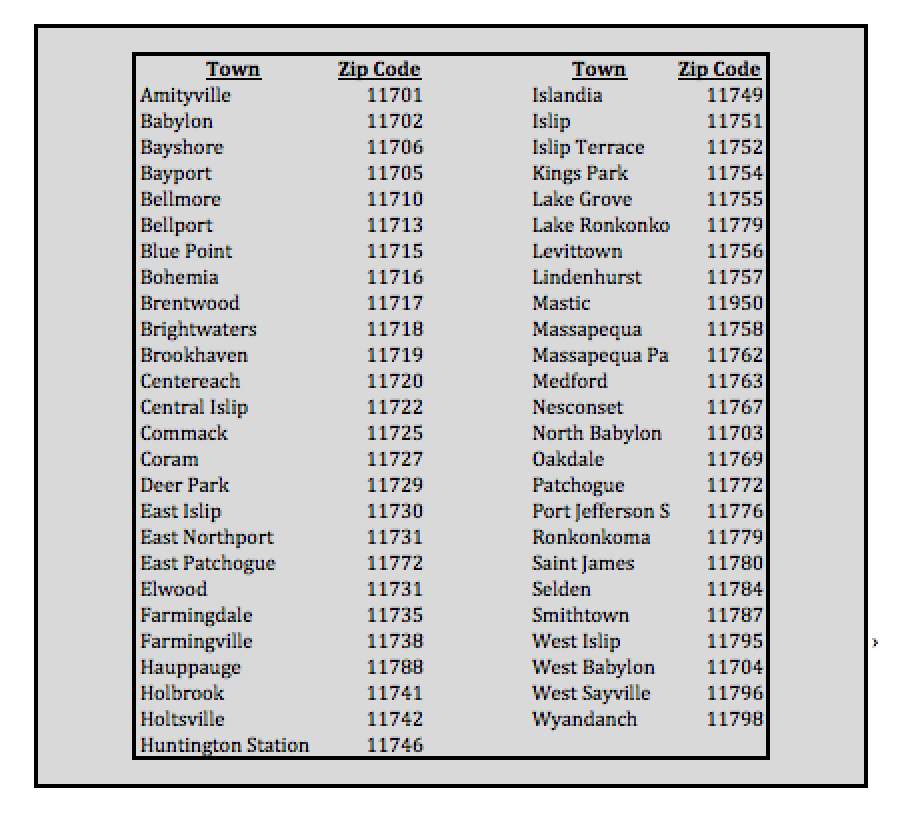
For homeowners in Blue Point, Lindenhurst, Smithtown, Commack, Elwood, and other areas across Long Island, MrCashBuyer offers a more straightforward alternative.
By purchasing homes directly for cash, MrCashBuyer helps sellers avoid many of the common obstacles tied to traditional deals, creating a faster, simpler, and less stressful selling experience with flexible closing options and competitive cash offers.
The national average for completing a traditional residential real estate sale is around 65 days from listing to closing. However, that timeline does not include the many transactions that fall apart before reaching the finish line.
From inspections and financing issues to appraisal problems and buyer contingencies, there are several moving parts involved in selling a home. In a competitive buyer’s market, even small complications can cause delays, renegotiations, or failed deals altogether.
As outlined above, understanding these common obstacles can help sellers better prepare for the process and reduce the risk of a pending sale falling through.
Traditional selling contingency drawbacks help MrCashBuyer provide value
Traditional offerings through realtors, no matter what they say, cannot account for human irrationalities after offer documents are in and you move to close. That’s not the case with MrCashBuyer. It’s probable that within twenty-four hours of contacting the company, you’ll have an offer in your hand that makes ultimate sense.
You’ll see that the price is not only fair, but the only deduction is a reasonable cost deduction for repairs. Here’s the best part: Once you have a MrCashBuyer offer in your hands, there are zero contingencies. Building inspections are out of the picture after the professionals who inspected your home (i.e., before the proposal was submitted).
That inspection was all it took to energize us to put an offer in your hands. A mortgage lender has nothing to do with our all-cash, money-in-your-bank offer that you can call for at any time you want to close. Moreover, please take advantage of our flexible closing date program, which gives you ample time to find a new place to live.
Although MrCashBuyer is buying and selling houses up and down Nassau and Suffolk Counties, none of those transactions impact yours. Therefore, there’s no lowball assessment, problematic lender, or other complicated real estate dilemma that’s in your way.
You can trust our offer to deliver money to your bank in the way the offer says it will, exactly on time. There are no ifs or buts when you work with MrCashBuyer to make your selling experience a happy one.
Are You Still Questioning Cash Buyers in Today’s Real Estate Market?
Cash home buyers have become a major part of today’s residential real estate market, especially for homeowners looking for speed, convenience, and certainty. More sellers than ever are searching for alternatives to the traditional selling process, which is why phrases like “sell my house fast,” “sell my home for cash,” and “sell house as-is” continue to grow in popularity online.
Traditional home sales can take months and often involve inspections, repairs, financing delays, negotiations, and unexpected complications. In contrast, cash buyers offer a more direct and streamlined approach that can significantly reduce the time and stress involved in selling a property.
Companies like MrCashBuyer provide homeowners with an alternative option designed for faster closings, flexible timelines, and competitive cash offers without many of the hurdles associated with conventional real estate transactions.
For sellers who want to avoid uncertainty and move forward quickly, cash buyers are becoming an increasingly practical and trusted solution in today’s housing market.
Final Verdict
If you’re tired of delays, failed contracts, inspections, financing contingencies, and the stress of traditional home sales, working with a cash buyer can provide a much simpler solution. Companies like MrCashBuyer are designed to make the selling process faster, smoother, and more predictable for homeowners across Long Island.
Instead of spending time and money on repairs, staging, curb appeal updates, or small renovations, you can sell your home as-is and receive a competitive cash offer based on fair local market values and neighborhood comparable sales.
With fewer obstacles, faster closings, and a more transparent process, sellers can avoid much of the uncertainty and emotional back-and-forth that often comes with traditional buyers. This allows homeowners to focus on their next move without the constant stress of keeping a home market-ready for weeks or months.
For many Long Island homeowners, MrCashBuyer has become a trusted alternative for selling quickly, conveniently, and with greater peace of mind.