
 631-388-6640
Step-by-Step Guide on How to Prepare Your House for Moving
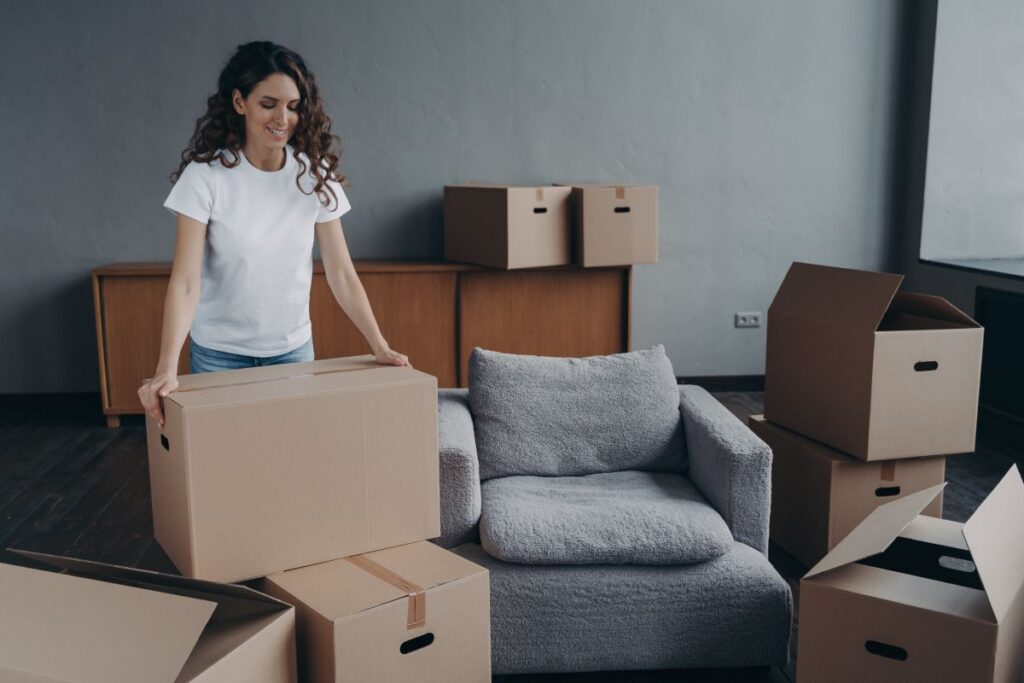
Moving to a new home can feel exciting, but it also comes with a fair share of stress and responsibility. Whether you’re shifting within your city, relocating to a new region, or moving internationally, packing up your belongings and adjusting to a new space can quickly become overwhelming. That’s why good planning and strong organization are essential for a smooth transition.
The good news? You don’t have to handle everything at once. A simple timeline and room-by-room approach can make preparing for a move much more manageable. In this article, I will explain how to prepare your house for moving, what to do before moving day, and what to prioritize once you arrive. Let’s not waste any more time and get to the main point.
How to Prepare Your House for Moving in 9 Simple Steps
Follow these easy tips for moving into a new house and relocating stress-free.
Start Planning
The earlier you start preparing for a move, the more manageable the process will be. For most households, beginning four to eight weeks before moving day provides enough time to organize everything without rushing, although larger homes or long-distance moves may require more time.
Start by choosing your moving date, setting a realistic budget, and deciding whether to hire professional movers or rent a truck. Create a room-by-room moving checklist to track your progress, and notify your landlord, utility providers, insurance company, and other relevant services about your move. It’s also wise to measure large furniture and key doorways at your new home to make sure everything will fit.
Keep moving-related documents, contracts, receipts, and important contact information together in one folder. A simple timeline can keep you focused: handle time-sensitive tasks such as booking movers, arranging utilities, and decluttering early, then leave final cleaning, packing everyday essentials, and other small details for the last week.
Declutter and Organize
One of the most important things to do before moving is to decide what you actually want to take to your new home. Moving is an ideal time to get rid of stuff you don’t need instead of spending money and effort transporting it.
Go through each room and separate your belongings into four groups: keep, donate, sell, and discard. Keep items you regularly use or genuinely value, donate useful belongings you no longer need, sell items that are still valuable, and discard anything broken, expired, damaged, or unusable.
Work through closets, drawers, garages, attics, basements, and storage areas rather than leaving everything until the final days. Decluttering early means fewer boxes to pack, carry, unpack, and organize. It also gives you a clearer idea of how much packing material and moving space you’ll need, making organizing before a move much easier.
Gather Packing Supplies
Before you begin packing for a move, gather all the necessary supplies so you can work without unnecessary interruptions. You’ll generally need sturdy boxes in different sizes, packing tape, bubble wrap or packing paper, furniture blankets, permanent markers, zip-top bags for small hardware, stretch wrap, scissors or box cutters, and labels or colored stickers.
Choose box sizes based on what you’re packing rather than filling large boxes with heavy belongings. Books, tools, and other dense items are better suited to smaller boxes, while bedding, pillows, and other lightweight items can go into larger ones. Wrap fragile belongings carefully and fill empty spaces with suitable packing material to prevent items from shifting during transportation.
Pack Room by Room
Packing one room at a time makes the process easier to control and keeps your belongings organized. Start with items you rarely use, such as seasonal clothing, decorations, books, guest-room belongings, and rarely used kitchen equipment. Leave everyday necessities until closer to moving day.
Before packing each room, remove anything you no longer need, then group similar belongings together and protect fragile items individually. Place heavier items toward the bottom of boxes, fill empty spaces to limit movement, seal each box securely, and label it immediately.
Avoid mixing belongings from unrelated rooms whenever possible because keeping boxes organized by destination makes unpacking much easier. Important documents, jewelry, cash, medications, and other valuables should generally remain with you rather than being placed in the moving truck.
Plan for Your Pets and Plants
Pets and plants require additional planning because moving can expose them to unfamiliar surroundings, temperature changes, and transportation risks. For pets, keep food, medications, leashes, carriers, bedding, and other necessities together so they’re easy to access.
On moving day, keep pets away from open doors, moving equipment, and heavy foot traffic to reduce the risk of escape or injury. If possible, arrange for a trusted person, pet sitter, or boarding facility to look after them while the move is underway. For plants, consider how well they will tolerate the journey and protect them from crushing, extreme temperatures, and rough handling.
If you’re moving across state or national borders, check the applicable requirements for transporting pets and plants well ahead of time, as some destinations have specific restrictions or documentation requirements.
Get Your House Ready
Before leaving your current home, give it a thorough cleaning and inspection. This is particularly important if you’re selling the property or moving out of a rental because your agreement may specify cleaning or repair requirements.
Clean the floors, cabinets, appliances, bathrooms, and windows, and remove nails, hooks, and temporary fixtures where appropriate. Complete any agreed-upon minor repairs, empty and clean the refrigerator and freezer, and properly dispose of unwanted chemicals or other items that movers cannot transport.
Take photos of the property’s condition before you leave, particularly if you’re renting or completing a property sale. Finally, check closets, cabinets, drawers, attic spaces, garages, sheds, and outdoor storage areas to make sure nothing has been forgotten. If you’re selling, keep records of relevant repairs and improvements and confirm that the property meets the terms of your agreement.
Prepare for Moving Day
The final 24 hours should be focused on completing essential tasks rather than starting major packing projects. Prepare an essentials bag or box containing important documents, medications, phone and laptop chargers, toiletries, a change of clothes, basic cleaning supplies, snacks, bottled water, toilet paper, basic tools, pet supplies, and important keys.
Keep this bag with you instead of loading it onto the moving truck so you’ll have immediate access to what you need. Confirm the moving company’s arrival time, parking arrangements, access instructions, and payment details.
If you’re moving yourself, make sure the vehicle is available, properly fueled, and large enough for your remaining belongings. Preparing these details in advance can prevent unnecessary delays and make moving day considerably smoother.
On Moving Day
Start early and keep your house-moving checklist nearby so you can track the final tasks. Before leaving, walk through every room, closet, cabinet, garage, attic, basement, and outdoor storage area to make sure nothing has been overlooked.
Check that windows and doors are secured, lights are switched off where appropriate, and appliances have been disconnected if necessary. Keep important documents, jewelry, cash, medications, and other valuable personal belongings with you. If professional movers are handling the move, inspect furniture and boxes as they’re loaded and document any existing damage according to the moving company’s procedures.
Avoid rushing when moving heavy furniture or appliances, as improper lifting or handling can cause injuries or property damage. If necessary, use appropriate equipment or professional assistance.
Settling into Your New Home
Once you arrive, resist the temptation to unpack everything immediately. Start with the essentials and establish the rooms you’ll need most during your first day. Before unloading all your belongings, walk through the property and check for existing damage or other issues. Then direct each box to the room indicated on its label rather than creating one large pile to sort later.
A practical order is to unpack essential toiletries and medications first, followed by bedding, basic kitchen supplies, children’s or pet supplies, and everyday work or household items. One of the most useful tips for moving into a new house is to make the bedrooms and bathrooms functional first, so you have a comfortable place to sleep and freshen up after a long day. As you unpack, break down empty boxes and keep important moving documents, receipts, and records together until the move is fully completed.
Finishing With
Knowing how to prepare your house for moving doesn’t mean doing everything at once. Start early, declutter before you pack, organize belongings room by room, and keep a written house-moving checklist of important deadlines.
The most important things to do before you move are arranging transportation, reducing unnecessary belongings, gathering packing supplies, preparing your current home, and making sure essential services are ready at your new address. On moving day, keep important documents and everyday necessities with you and complete a final walkthrough before leaving.
Once you arrive, focus on the essentials first. With a little preparation and a systematic approach, you can make your move more organized, efficient, and considerably less stressful. Lastly, if you need professional help, contact Mr Cash Buyer. From buying your house to helping you move to your new house, we support homeowners at every stage of their journey, whether you are moving locally or long-distance. With the right guidance and resources, we help make the process easier and more efficient. That’s all for today. See you in the next article.
FAQs
1. How far in advance should I start preparing for a move?
For most households, starting several weeks before moving day gives you enough time to declutter, gather supplies, pack gradually, and arrange transportation. Begin with tasks that require appointments or outside services, then work through packing room by room.
2. What should I do first when preparing for a move?
Start by choosing your moving date and creating a basic moving plan. Then decide how you’ll transport your belongings, set a budget, and begin decluttering. Removing unwanted items before packing can make every later step easier.
3. What should I get rid of before moving?
Get rid of broken, expired, unused, duplicate, or unwanted belongings. Consider donating or selling items that are still useful. If something won’t fit or serve a purpose in your new home, there’s often little reason to pay to move it.
4. What should I pack first when moving?
Pack items you don’t regularly use first, including seasonal clothing, decorations, books, artwork, guest-room belongings, and rarely used appliances. Save everyday essentials such as toiletries, basic cookware, medications, and frequently worn clothing for last.
5. What should I do on moving day?
Keep your essentials bag, documents, medications, valuables, and chargers with you. Complete a final walkthrough of your old home, confirm that utilities and doors are handled appropriately, and make sure boxes are directed to their correct rooms at the new property.
6. What should I unpack first in a new house?
Start with essentials such as toiletries, medications, bedding, basic kitchen supplies, pet supplies, and children’s necessities. Setting up bedrooms and bathrooms first can make your first night much more comfortable.
7. How can I make moving less stressful?
Start early and avoid packing everything at once. Declutter before packing, work room by room, label boxes clearly, maintain a checklist, and prepare an essentials bag. Breaking the move into smaller tasks makes preparing for a move much more manageable.