
 631-388-6640
How to Sell a House in Poor Condition
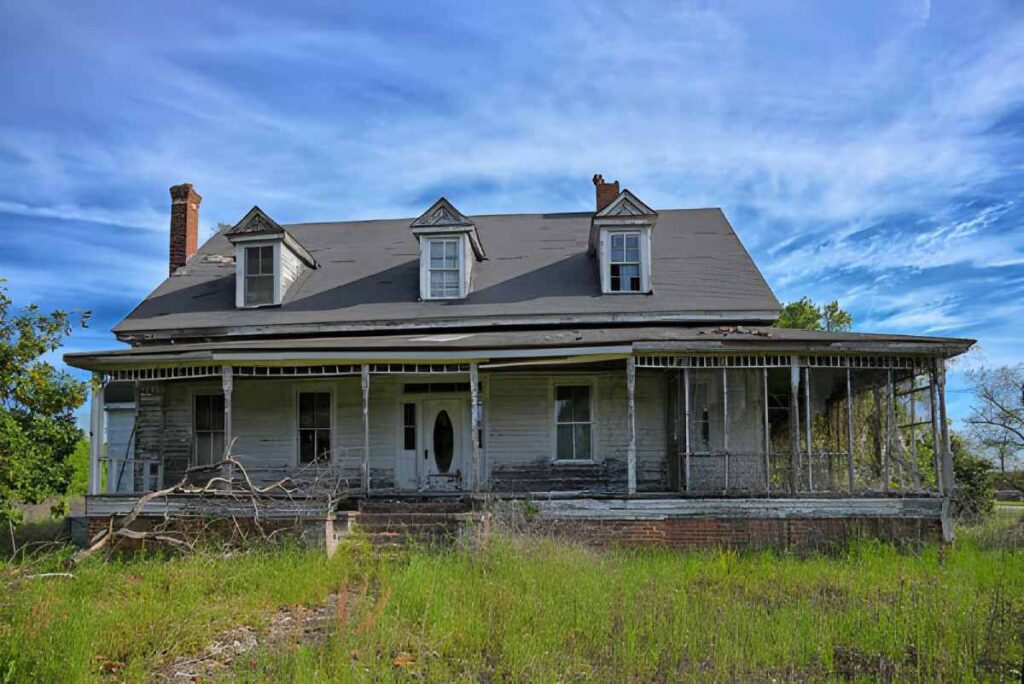
Selling a house in poor condition can be challenging, especially when the property needs major repairs, extensive cleaning, or significant renovation. However, a damaged or run-down house can still have value, particularly if it has a desirable location, a large lot, development potential, or a strong local market.
If you’re wondering how to sell a house in poor condition, you have several options. You can make strategic repairs, list the property as-is, work with an investor, or consider a cash buyer. The right approach depends on the house’s condition, your budget, timeline, and the property’s potential market value.
Whether you’re selling a house in bad condition, dealing with a rundown old house, or trying to sell a damaged house after years of deferred maintenance, understanding your options can help you make a more informed decision. Continue reading, and I will share with you the best tips on how to sell a house in bad condition. Let’s begin.
What Is Considered a Poor Condition for a House?
A house is generally considered to be in poor condition when significant physical, functional, cosmetic, or safety issues affect its livability, value, or marketability. The severity of the problems determines whether the property needs minor updates, major repairs, or complete replacement.
Unlivable Condition
An uninhabitable house has serious problems that make it unsafe or impractical to occupy, such as severe structural damage, major water intrusion, dangerous electrical issues, extensive mold, or fire damage. You need to use local building codes to determine whether a property is legally considered habitable.
Severe Damage or a Potential Teardown
A teardown house has damage or deterioration so extensive that demolishing and rebuilding may make more financial sense than renovating. When selling a tear-down property, consider the land value, demolition costs, zoning requirements, development potential, and comparable properties before deciding how to market it.
Need Major Repairs
A home may be in poor condition even when it is still livable if it needs extensive repairs to major systems or structures. Common examples include foundation problems, a failing roof, plumbing or electrical issues, HVAC failure, water damage, rotting wood, and significant exterior deterioration.
Crucial Cleaning or Renovation Required
Some run-down houses are structurally sound but have been neglected and require extensive cleaning, decluttering, painting, landscaping, or remodeling. Outdated kitchens, damaged flooring, stained walls, strong odors, and poorly maintained interiors can also make a property harder to sell.
10 Tips for How to Sell a House in Poor Condition
Knowing that you can sell a distressed property is only the first step. The next challenge is determining the best way to position and sell it. Here are practical tips for selling a house in bad condition.
Understand Your Local Market
Before spending money on repairs, research your local real estate market and review recent sales of homes similar to yours in size, location, age, and condition. Pay particular attention to properties that need significant work. A renovated home may sell for much more than yours, but that does not necessarily mean extensive renovations are worth the investment.
Consider what similar homes sell for in good condition and as-is, how long distressed properties stay on the market, whether local buyers are interested in fixer-uppers, and whether investors regularly purchase properties in the area. Understanding your market can help you avoid overpricing a run-down house or spending more on repairs than you are likely to recover.
Set Realistic Expectations
One of the biggest mistakes homeowners make when selling a house in bad condition is comparing their property with fully renovated homes. If a renovated property sells for $400,000, a rundown house that needs $100,000 or more in repairs may be worth considerably less.
Buyers consider repair expenses, labor, holding costs, financing, risk, renovation time, and unexpected problems when determining what they are willing to pay. Set your expectations based on the property’s current condition and realistic market value rather than what the home could be worth after a complete renovation.
Get a Professional Inspection
If you’re unsure about the extent of the property’s problems, consider getting a professional home inspection. An inspection can uncover issues that may not be obvious during a visual walkthrough, including foundation concerns, water damage, electrical problems, plumbing failures, and other major defects.
For serious structural concerns, you may also need an assessment from a structural engineer or another qualified specialist. Knowing exactly what you’re dealing with can make it easier to decide whether to make repairs, sell as-is, or market the property as a potential teardown.
Decide Whether to Fix or Sell As-Is
When considering how to sell a house in poor condition, one of the most important decisions is whether to repair the property before listing it. You generally have three options: make major repairs, make selective repairs, or sell as-is. Major repairs can improve the property’s appeal and potentially increase its sale price, but they require considerable time and money.
Selective repairs allow you to focus on issues that have the greatest impact on safety, functionality, and buyer perception. Selling as-is may make sense when the property needs extensive work, you don’t have the funds for renovations, or you don’t want to manage a lengthy remodeling project. Keep in mind that selling as-is does not necessarily eliminate your obligation to disclose known defects, as requirements vary by location.
Think Like a Home Buyer, Not a Home Seller
When you’ve owned a property for years, it’s easy to focus on its potential rather than its current condition. Instead, walk through the property from a buyer’s perspective and consider what would immediately concern you. A damaged roof, outdated electrical system, old flooring, water stains, or an overgrown yard can all influence a buyer’s perception.
Thinking like a buyer can help you determine which problems are worth addressing and which can reasonably be left for the next owner. This is particularly important when you want to sell a house in bad condition, because buyers are likely to focus on the cost, time, and difficulty involved in making repairs.
Find Your Target Buyer
The best buyer for a rundown old house may not be someone looking for a move-in-ready home. Depending on the property’s condition, potential buyers may include real estate investors, house flippers, contractors, experienced renovation buyers, landlords, cash buyers, and developers.
Investors and renovation buyers may see opportunities that traditional homebuyers overlook, particularly when the purchase price leaves enough room for repair costs and potential returns. If the property is essentially a tear-down property, developers or land-focused buyers may be more suitable targets than traditional owner-occupants.
Market Honestly and Strategically
When you sell a damaged house, honesty is essential. Avoid hiding major problems or using misleading descriptions that make a severely distressed property appear move-in ready. Known issues should be disclosed as required by applicable law. At the same time, don’t focus only on the property’s drawbacks.
Highlight strengths such as a desirable location, large lot, convenient transportation, attractive views, unique architecture, development potential, recent improvements, or functional utilities. Even a run-down house may have significant value because of its location or what a reputable cash home buyer can do with the property.
Prepare for Competitive Negotiation
Buyers purchasing homes in poor condition may negotiate aggressively and request a lower purchase price, repair credits, closing-cost concessions, additional inspections, specific repairs, or longer inspection periods.
Before receiving offers, determine the minimum amount you’re willing to accept and consider the overall strength of each offer. The highest offer is not always the best choice. A buyer with strong financing or proof of funds and fewer contingencies may provide greater certainty than a higher offer with significant conditions that could create problems before closing.
Consider a Professional iBuyer
If you’re looking for a relatively straightforward way to sell, selling to an iBuyer may be an option in some markets. These companies use technology and property data to evaluate homes and may provide sellers with direct offers.
However, eligibility varies, and some iBuyers focus primarily on homes in relatively good condition rather than severely damaged or teardown properties. Before accepting an offer, compare the purchase price, service fees, repair deductions, closing costs, closing timeline, and expected net proceeds. The amount you actually receive after all deductions matters more than the headline offer.
Choose a Reputable Cash Home Buyer
A cash buyer may be an option when you want to sell a house in poor condition without completing extensive repairs. Benefits of selling it to cash buyers and real estate investors is they purchase properties as-is, including some homes that require substantial renovation.
This can be useful when you’re dealing with a rundown house, inherited property, fire or water damage, or years of deferred maintenance. Before signing anything, research the buyer and look for a verifiable business history, proof of funds, clear purchase terms, transparent fees, a reasonable closing timeline, and a written purchase agreement.
Avoid anyone who pressures you to sign immediately or refuses to explain how the offer was calculated. Getting multiple offers can also help you determine whether the proposed price is competitive.
To Sum Up
Knowing how to sell a house in poor condition starts with understanding exactly what you’re selling. A property may be considered in poor condition because it needs extensive cleaning, major repairs, structural work, or a complete renovation. In severe cases, it may be more valuable as a teardown property than as a home that should be renovated.
Whether you’re selling a house in bad condition, dealing with a rundown old house, or looking to sell a damaged house, don’t assume that you have to renovate everything before selling.
Research your local market, assess the property’s condition, compare repair costs with potential value, identify the right buyer, and consider both traditional and cash-sale options. The best strategy is the one that gives you a reasonable balance of sale price, costs, time, and certainty. If you need professional consultation and an expert cash home buyer to sell your property in as-is condition, contact Mr Cash Buyer and get a cash offer quickly
FAQs
1. How can I sell a house in poor condition?
You can potentially sell a house in poor condition through a traditional real estate listing, an as-is sale, an investor, a cash buyer, or a developer. The best option depends on the property’s condition, location, market value, and your preferred timeline.
2. Can I sell a house in bad condition without making repairs?
Yes. You can often sell a property as-is without completing major repairs. However, the property’s condition will affect its market value and the number of interested buyers. You may also have legal disclosure obligations regarding known defects.
3. How do I sell a run down house?
To sell a run down house, first determine its current as-is value and identify the major problems. You can then compare selling through a traditional listing with approaching investors or cash buyers. If the property has significant land value, you may also want to explore developer interest.
4. Can I sell a rundown old house for cash?
Yes, some cash buyers and real estate investors purchase rundown or heavily damaged properties in as-is condition. Before accepting an offer, verify the buyer, review the purchase agreement, understand all fees and deductions, and compare the offer with other selling options.
5. Can I sell a damaged house after a fire or water damage?
In many cases, yes. Fire- or water-damaged properties can be sold, although the damage can substantially affect value. Document the property’s condition, determine whether insurance applies, and obtain repair estimates before deciding whether to restore the property or sell it as-is.