
 631-388-6640
How to Sell a House Fast: The Complete Playbook for a Quick Sale
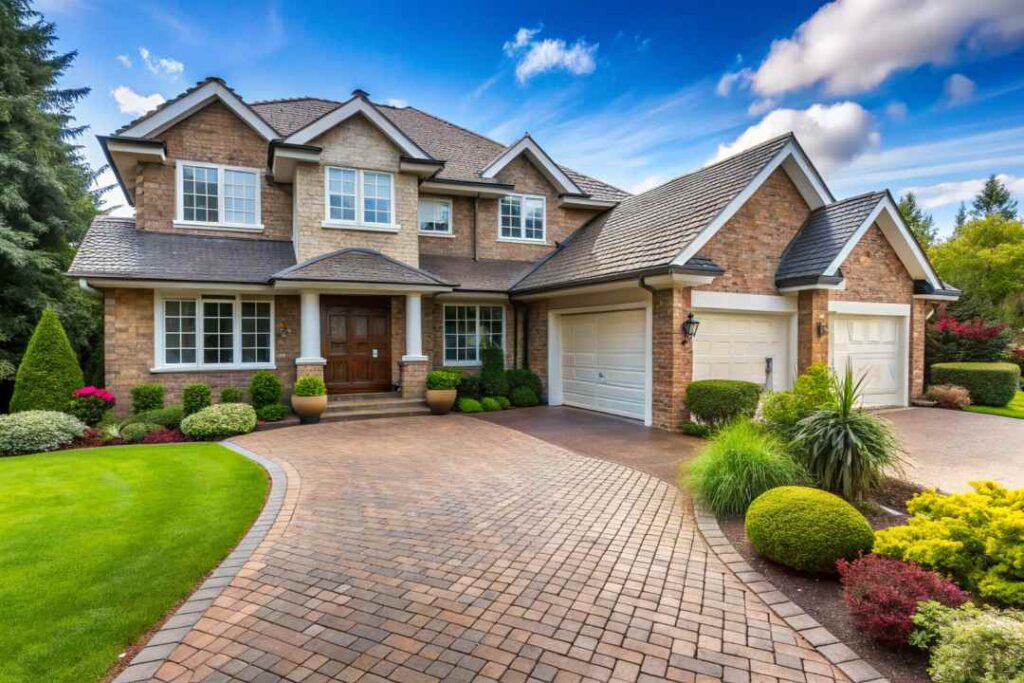
The fastest way to sell a house on the open market comes down to three things done well: price it at market from day one, make it look better than the competition in photos and in person, and put it in front of the entire buyer pool through the MLS. Do those three and a sound house sells quickly in almost any market. Skip any one and it sits.
Speed in real estate is less about luck or a hot market than about execution. A well-prepared, correctly priced, well-photographed home draws its strongest buyer interest in the first two weeks and often goes under contract inside a month. A neglected or overpriced one drifts for months regardless of conditions.
This guide is the execution playbook: the exact steps, in order, with special attention to the two things that move a fast sale more than sellers realize, curb appeal and listing photography, plus what to do when the traditional sale isn’t the right fit for your situation.
The Fast-Sale Formula at a Glance
| Lever | Impact on Speed | Cost |
|---|---|---|
| Correct pricing from day one | Highest | Free (a pre-listing appraisal is $400–$700) |
| Professional listing photos | Very high | $250–$700 |
| Curb appeal | High | $100–$1,500 |
| MLS listing | Essential; without it most buyers never see the home | Included with an agent, or $100–$600 (flat-fee MLS) |
| Decluttering and cleaning | High | Time, plus optional storage costs |
| Fixing visible deal-breakers | High | Varies |
| Flexible, responsive showings | Moderate but real | Free |
| Right timing (spring or early fall) | Moderate | Free |
Step 1: Price It Right From Day One
Everything else on this list helps at the margins. Pricing is the game.
A listing gets more traffic in its first ten to fourteen days than at any other point in its life. The moment it hits the MLS it syndicates to Zillow, Realtor.com, Redfin, and hundreds of other sites, and every buyer with a matching saved search is alerted instantly. Price it right and that surge becomes showings and offers. Price it high and the buyers who would have competed simply filter you out, and you never see them.
The data on overpricing is blunt. Zillow’s research found homes that linger sell for about 5% below list price after two months. Realtor.com’s senior economist described the 2026 dynamic plainly: an overpriced home doesn’t just sit, it gets stale, loses leverage, and sells for less than it would have if priced right from the start. Agents have a name for the four-week reckoning when the market delivers its verdict: the $15,000 problem.
How to price for speed:
- Use closed comparable sales from the last three to six months, adjusted for condition and square footage. Not your tax assessment, not an online estimate, not what a neighbor is asking.
- If speed is the priority, price at the low end of the comp range. In a tight market this frequently sparks competing offers that bid the price back up. Pricing high to “leave room” does the opposite and eliminates your best buyers.
- Get a pre-listing appraisal ($400 to $700) if you want an independent number before committing.
- Read the first two weeks honestly. Strong showings and no offers means slightly high. Almost no showings means well off, or the photos are failing. Adjust at the two-week mark rather than waiting two months to make a cut you could have made early.
The asking price of the property is the single most important marketing decision you’ll make. Treat it as strategy, not as a wish.
Step 2: Win the Drive-By With Curb Appeal
Here’s what most fast-sale guides underweight: a large share of buyers form their opinion of your house before they ever walk in, and many decide from the listing photo or the drive-by whether to bother at all. A house that fails the first impression never gets the showing where the rest of it could sell itself.
This isn’t soft advice. A peer-reviewed study from the University of Texas at Arlington, published in The Journal of Real Estate Finance and Economics, found that homes with strong curb appeal sell for an average of 7% more than comparable homes in the same neighborhood, and that the premium rises to 10% to 11% in slower markets, where standing out matters most. The study also found strong curb appeal reduces the chance of a sale falling through.
The professional consensus is nearly unanimous. NAR data shows 97% of agents believe curb appeal matters for attracting buyers, 92% recommend sellers improve it before listing, and 74% suggest a landscape maintenance program before going to market.
The good news: the highest-return on curb appeal moves are the cheapest ones. NAR’s Remodeling Impact Report consistently finds that basic lawn care and landscape maintenance recover more of their cost than almost any other pre-sale project, far more than a big landscape redesign. A weekly mow, monthly bed maintenance, and quarterly mulch outperform one expensive overhaul at the same total spend.
The fast, high-impact curb appeal checklist:
- Mow, edge, and trim everything, then keep it up the entire time you’re listed
- Fresh mulch in the beds and clean, defined bed edges
- Trim back anything blocking a window or the front door
- Power-wash the driveway, walkway, siding, and porch
- Paint the front door and update tired house numbers and the mailbox
- A clean doormat and a couple of potted plants at the entry
- Clear the driveway and street frontage for photos and showings
- Make sure the exterior lights all work, and add a video doorbell if you don’t have one (buyers in 2026 expect it)
A neglected exterior does the reverse: it signals to buyers that the systems they can’t see are neglected too, and NAR notes poor landscaping can actually pull value down. Spend a weekend and a few hundred dollars here before you spend a dollar anywhere else.
Step 3: Prepare the Interior
Buyers don’t see potential. They see problems and mentally deduct far more than each fix actually costs.
Declutter aggressively. Remove roughly a third of your furniture and most personal items. Rooms photograph larger and feel bigger in person. High-resolution photos of an uncluttered room can make a home look meaningfully larger, and clutter does the opposite. A storage unit for two months is cheaper than a price cut.
Depersonalize. Take down family photos and anything highly specific to your taste. Buyers need to picture their life in the house, not tour yours.
Deep clean, then clean again. Floors, windows, grout, appliances, light fixtures. A spotless house signals a maintained house.
Fix the visible deal-breakers. Every broken fixture, leaky faucet, sticking door, cracked switch plate, and burnt-out bulb. Make every light in the house work. These are cheap and their absence quietly tells buyers the home is neglected.
Neutralize. A coat of neutral paint over bold colors is one of the best-return prep moves there is.
Maximize light. Open every blind, replace dim bulbs with bright daylight ones, and clean the windows. Light is the number one thing buyers respond to, in person and in photos.
What to skip: major renovations undertaken specifically to sell. Kitchen and bath remodels rarely return their cost and add weeks you don’t have. For big-ticket items at end of life (roof, HVAC), get quotes and either fix them or price the house accordingly rather than launching a renovation.
Consider a pre-listing inspection for a few hundred dollars. Finding the deal-breakers yourself, on your own schedule, beats a buyer’s inspector finding them in week five when the buyer holds all the leverage. Roughly 13% to 14% of home-sale agreements have been falling through in 2026, with inspection findings a leading cause.
On staging: it helps most for vacant and above-median homes. Full staging runs $1,500 to $4,000; a consultation-only visit ($150 to $600) gives you the plan to execute yourself for far less.
Step 4: Get Listing Photos That Actually Sell
If pricing gets buyers to consider your house, photos are what get them to click. Almost every buyer’s first encounter with your home is a thumbnail on a phone screen, competing against a dozen other thumbnails. This is not the place to use your own phone.
The industry statistics here are widely cited and point the same direction, though they come largely from real estate media firms, so treat them as directional rather than precise. Commonly repeated figures hold that listings with professional photos sell meaningfully faster, sell for several thousand dollars more, and draw substantially more online views than amateur snapshots. The Wall Street Journal has reported professionally shot listings closing higher than comparable homes with low-quality photos. Even discounting the marketing gloss, the direction is not in dispute: better photos mean more clicks, more clicks mean more showings, and more showings mean a faster sale at a stronger price
What separates listing photos that sell from snapshots that don’t:
- A real camera and a wide lens, shot by someone who does this professionally. A $250 to $700 shoot is the highest-return marketing dollar in the entire sale.
- Natural light. Shoot on a bright day, open every blind, and turn on every interior light. Shadowy rooms read as small and grim.
- Shoot from the corners at roughly chest height to make rooms feel open and correctly proportioned. Straight-on shots flatten a space.
- Straight verticals. Walls should be vertical, not tilted. Amateur photos give themselves away with leaning walls.
- Declutter and stage first. The photographer captures what’s there. Prep the house before the shoot, not after.
- Enough photos, in the right order. Buyers want to feel like they’ve walked through before they visit. Lead with the best exterior and main living space, then move room by room in a logical flow. Listings with more quality photos consistently draw more views.
- Twilight and drone shots where they fit. A dusk exterior with warm interior lights is one of the most engaging images in real estate, and an aerial shot helps for larger lots, water proximity, or standout exteriors.
- A floor plan and a 3D or video tour if budget allows. Buyers increasingly expect to understand the layout before booking a showing.
One caution on the current market: virtual staging and AI photo enhancement are common now, but they must be disclosed, and heavy editing that misrepresents the home backfires the moment a buyer walks in. Show the house as it actually is, at its honest best.
Step 5: List on the MLS
This is non-negotiable for a fast sale. The MLS is where every buyer’s agent looks and it feeds Zillow, Realtor.com, Redfin, and the rest. A home that isn’t on it is invisible to most of the buyer pool.
If you’re using an agent, this is handled. If you’re selling on your own, use a flat-fee MLS service ($100 to $600) that puts your listing on without a listing commission. Skipping the MLS to save a couple hundred dollars is the single least defensible economy in a home sale, because it removes most of your buyers.
Beyond the MLS, widen the net: a yard sign, a free Zillow for-sale-by-owner listing, Facebook Marketplace, local community groups, and a well-timed open house all add buyers at little cost.
A note on your listing description: describe the property accurately and specifically, and lead with what’s genuinely compelling. Be aware that fair housing law governs how you describe a home. Describe the house, never the ideal buyer, since language implying a preference based on family status, national origin, religion, or other protected classes creates real legal exposure.
Step 6: Make Showings Easy and Respond Fast
Two habits sellers underestimate.
Say yes to every showing. Every one you decline is a buyer who books something else that afternoon. If speed is the goal, you don’t get to protect your Saturday. Keep the house show-ready, use a lockbox to allow flexible access, and clear out during showings so buyers can talk freely.
Respond within hours, not days. Delays compound. A slow reply to an offer, a lender request, or an attorney email routinely pushes the process by a week. The seller who answers fast closes faster.
Step 7: Evaluate Offers on Strength, Not Just Price
When offers come, the highest number isn’t always the best deal, especially if speed matters.
A slightly lower offer from a cash buyer with no financing contingency, a large deposit, and a flexible closing date is often better than a higher offer with 5% down and a stack of contingencies. The higher number means nothing if the deal collapses in week five and you relist as stale inventory.
Weigh: financing type (cash strongest; conventional with a big down payment next; FHA and VA carry extra appraisal and condition requirements that can slow things down), down payment size, contingencies (each is an exit for the buyer), and proposed closing date.
When to Sell, and Why Sellers Want Speed
Timing: March through June is the strongest selling window nationally, with September and October a solid second. November through February is slowest, though winter buyers tend to be highly motivated. If you have flexibility, be photographed and market-ready by mid-March.
Common reasons sellers need to move fast, each of which points toward a slightly different strategy:
- A new job or relocation with a hard start date
- Already bought the next house and carrying two mortgages
- A financial squeeze where every month of carrying costs hurts
- Divorce or a separation that both parties want resolved
- An inherited property that’s sitting empty and costing money
- Downsizing on a timeline tied to another move
- Avoiding a looming foreclosure
For most of these, the seven-step playbook above gets you a fast traditional sale. But a few of them, particularly foreclosure timelines, inherited properties that need work, and situations where carrying costs are the core problem, sometimes call for a different tool entirely.
When the Traditional Sale Isn’t the Fastest Path
The steps above assume a house that shows well and a seller with a few weeks to work with. That describes most sellers, and for them a well-executed listing is both the fastest and the most profitable route.
But some houses have a problem the open market punishes, and for those, even a perfect listing can’t deliver real speed:
- The house needs major work you can’t fund or manage, and buyers will discount it far more than the repairs cost while their lenders balk at the condition
- You’re on a hard deadline a 30-to-90-day listing plus a 30-to-45-day closing simply can’t meet, like a scheduled foreclosure auction
- You inherited a property out of state you can’t renovate or prep from a distance
- There’s a tenant problem, open permits, or a title issue nobody wants to untangle
- Carrying costs are the actual emergency, and every month on market makes things worse
In these cases, selling directly to a cash buyer trades some price for genuine speed and certainty: no repairs, no showings, no financing contingency, and a close in as little as one to three weeks rather than the two-to-four-month traditional timeline.
The honest tradeoff: a cash sale nets less than a well-marketed listing on a sound house, because the buyer prices in repairs, carrying costs, and risk. On a good house with time, list it and follow the playbook. When the house has a real obstacle or the clock is the problem, the lower cash number often beats the listing’s net once you subtract repairs, commission, concessions, and months of carrying costs from a price you might not even achieve.
The way to decide is the same either way: run the actual net numbers on both paths. Get a listing estimate and a cash offer, compare net proceeds after every cost and the time each takes, and choose deliberately rather than drifting into a listing that sits.
Frequently Asked Questions
What is the fastest way to sell a house?
On the open market: price at or slightly below comparable sales, invest in professional photography and curb appeal, and list on the MLS. A correctly executed listing on a sound house often goes under contract within a month. For genuine speed regardless of condition, a direct cash sale can close in one to three weeks with no repairs or showings.
How can I sell my house quickly without lowering the price too much?
Price at true market value rather than above it, then compete on presentation. Professional photos, strong curb appeal, decluttering, and flexible showings let a correctly priced home sell fast without a discount. Overpricing, not fair pricing, is what forces the deep cuts later.
Do professional photos really help a house sell faster?
Yes. Almost every buyer’s first impression is an online photo, and better photos drive more clicks, more showings, and faster sales. Widely cited industry figures put the speed advantage around 30% faster; even discounting marketing gloss, the direction is well established. A $250 to $700 shoot is the highest-return marketing spend in a sale.
How much does curb appeal affect a home sale?
Substantially. A University of Texas at Arlington study found homes with strong curb appeal sell for about 7% more than comparable homes, rising to 10% to 11% in slower markets. NAR reports 97% of agents consider curb appeal important and 92% recommend improving it before listing. The cheapest moves, lawn care and mulch, return the most.
What should I fix before selling my house?
The cheap, high-impact things: clean, declutter, neutral paint, working lights and fixtures, curb appeal, and professional photos. Skip major renovations done specifically to sell, which rarely recoup their cost. For big items at end of life, get quotes and either fix them or price accordingly.
What are the steps to selling a house?
Price it using recent comps, prepare the exterior and interior, get professional photos, list on the MLS, hold showings and be responsive, evaluate offers on strength as well as price, negotiate, then move through inspection, appraisal, and closing. From decision to keys is typically two and a half to four months for a financed buyer, or one to three weeks for a cash sale.
How long does it take to sell a house?
Typically two and a half to four months from decision to closing: a few weeks of prep, one to two months on market, and 30 to 45 days to close with a financed buyer. Well-priced, well-presented homes move faster. A cash sale can close in one to three weeks.
Is it better to sell a house as-is or fix it up first?
Cosmetic fixes and cleaning almost always pay off and speed the sale. Major repairs are a different question: on a house you can’t fund or a timeline you can’t meet, a cash as-is sale often nets more once you account for repair costs, carrying costs, and the risk of a financed deal falling through.
When is the best time to sell a house?
March through June is the strongest window nationally, with September and October a solid second. Winter is slowest but winter buyers tend to be serious. If you can choose, aim to be market-ready by mid-March.
How do I sell a house fast in a slow market?
Presentation matters even more when buyers have options. Price precisely at market, invest in photography and curb appeal (whose premium grows in slower markets), stage the key rooms, and be maximally flexible on showings. If the market and the house won’t cooperate with your timeline, a cash sale removes the market from the equation.
The Bottom Line
Selling a house fast on the open market isn’t a trick. It’s execution: price it at market on day one, win the first impression with curb appeal and professional photos, get it in front of every buyer through the MLS, and make it effortless to see and to buy. A sound house prepared this way sells quickly in almost any market, and it nets you the most money.
The only time to reach for a different tool is when the house has a problem the market punishes, or when the clock is the real emergency. Then a cash sale trades some price for speed and certainty. Either way, the worst move is drifting: listing high, skipping the photos, watching it sit, and cutting the price twice. Pick a path and execute it.