
 631-388-6640
Selling a Fixer-Upper: Expert Tips for a Successful Home Sale
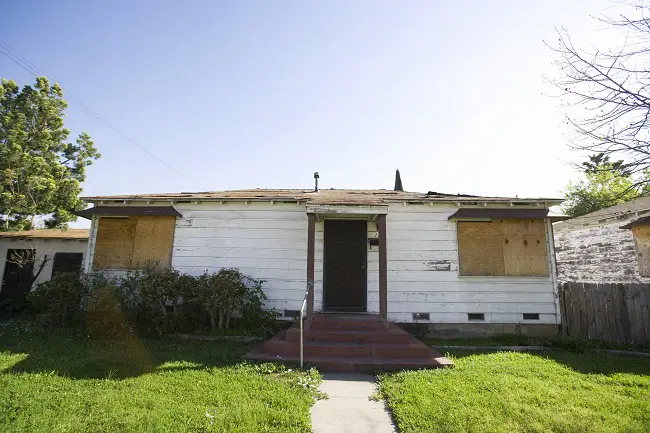
Selling a fixer-upper property can present unique challenges, but it can also create valuable opportunities for the right seller. While homes that require repairs or renovations may not appeal to every buyer, they often attract investors, house flippers, and buyers looking for a property they can customize to their own preferences.
The key to a successful sale is understanding your target audience and positioning the property accordingly. Buyers interested in fixer-uppers are often looking beyond the home’s current condition and focusing on its potential value after improvements are made.
Before listing the property, it’s important to evaluate its condition, determine which repairs are worth completing, and decide whether selling the home as-is makes the most sense. Pricing the property accurately is also critical, as buyers will typically factor renovation costs into their offers.
With the right strategy, realistic expectations, and effective marketing, a fixer-upper can attract serious buyers and lead to a successful transaction. In the following sections, we’ll explore practical tips to help you maximize your property’s appeal and achieve the best possible outcome when selling a home that needs work.
Understanding the Fixer-Upper Market
Before listing a fixer-upper for sale, it’s important to understand who is most likely to be interested in purchasing the property. Unlike move-in-ready homes, fixer-uppers typically appeal to a more specific group of buyers who see value in the property’s potential rather than its current condition.
One common buyer group is real estate investors. These buyers often seek properties that can be purchased below market value, improved through renovations, and either resold or added to a rental portfolio. They tend to focus on the property’s future value and potential return on investment rather than cosmetic imperfections.
Another group consists of buyers who enjoy home improvement projects and are willing to invest time and effort into transforming a property. These individuals are often looking for a home with strong fundamentals—such as a good location, solid structure, or desirable layout—that they can gradually update and personalize to fit their needs.
Understanding which audience is most likely to purchase your property can help you develop a more effective pricing strategy and create marketing materials that highlight the home’s potential. By focusing on the opportunities the property offers rather than just its current condition, you can attract buyers who are more likely to recognize its value.
Assessing Your Property
Before listing your fixer-upper, it’s essential to assess the extent of the repairs and renovations required. Consider hiring a professional home inspector or contractor to provide you with a detailed assessment. This will help you determine the scope of work needed and estimate the costs involved.
When assessing your property, pay attention to:
- Structural Issues: Identify any major structural problems that need attention, such as a damaged foundation, roof issues, or plumbing and electrical problems.
- Cosmetic Improvements: Take note of cosmetic updates required, including outdated kitchens, bathrooms, flooring, and paint.
- Curb Appeal: Evaluate the property’s curb appeal. A well-maintained exterior can significantly impact a buyer’s first impression.
- Local Market Conditions: Research the local real estate market to understand what buyers are looking for in your area and how your property compares to others on the market.
Setting the Right Price
Pricing a fixer-upper can be tricky. On one hand, you want to account for the repairs and renovations needed, but on the other hand, you don’t want to scare potential buyers away with an exorbitant price tag.
Consider the following factors when setting the right price:
- Comparable Sales: Look at recent sales of similar fixer-upper properties in your area to get a sense of what buyers are willing to pay.
- Repair Estimates: Use the assessment you received from professionals to estimate the cost of repairs and renovations accurately.
- Market Conditions: Keep an eye on the local real estate market. If it’s a seller’s market with high demand, you may be able to ask for a higher price.
- Room for Negotiation: Be prepared for negotiations. Buyers of fixer-uppers often expect to haggle on price, so leave some room for that.
Preparing Your Property for Sale
Once you’ve assessed your property and set the right price, it’s time to prepare it for sale. Here are some steps to consider:
- Declutter and Clean: Remove clutter and clean the property thoroughly. A clean and tidy space is more appealing to buyers.
- Make Minor Repairs: Fix any minor issues that won’t break the bank, such as leaky faucets, loose doorknobs, or cracked tiles.
- Enhance Curb Appeal: Invest in improving the exterior of the property. Paint the front door, trim the bushes, and make sure the landscaping looks well-maintained.
- Consider Staging: Depending on the property’s condition, consider staging it to help buyers envision its potential.
- Create a Marketing Plan: Work with a real estate agent to develop a marketing plan that highlights the property’s potential and attracts the right buyers.
Disclose All Issues
It’s essential to be transparent about the condition of your fixer-upper. Disclose all known issues to potential buyers, either through your real estate agent or in the listing itself. This builds trust and can prevent legal issues down the road.
Negotiating with Buyers
When you receive offers from potential buyers, be prepared for negotiations. Understand that buyers of fixer-uppers often expect to pay less than the asking price, especially if significant repairs are needed. Be open to reasonable offers and work with your real estate agent to find common ground.
Closing the Deal
Once you’ve accepted an offer, the closing process begins. Here are some steps to keep in mind:
- Inspections: Buyers may request inspections to further assess the property’s condition. Be prepared for potential repair negotiations based on the inspection results.
- Appraisal: The property will likely need to be appraised to determine its value. Be ready for any discrepancies between the appraised value and the agreed-upon sale price.
- Closing Costs: Understand the closing costs involved, and be prepared to cover your share of these expenses.
- Timing: Coordinate the closing date with the buyer and ensure all necessary paperwork is in order.
Conclusion
Selling a fixer-upper can be a rewarding opportunity when approached with the right strategy and realistic expectations. While these properties may require more effort to market effectively, they often appeal to buyers who see potential where others see challenges.
Success starts with understanding your target audience, accurately evaluating the property’s condition, and setting a price that reflects both its current state and future potential. Presenting the home honestly and highlighting its strengths can help attract serious buyers who are prepared to take on renovation projects.
Transparency is equally important. Being upfront about known issues helps build trust, reduces the likelihood of complications during negotiations, and creates a smoother transaction for everyone involved.
Working with experienced real estate professionals can also provide valuable guidance throughout the process, from pricing and marketing to negotiations and closing. With careful planning and a clear strategy, a fixer-upper can become an attractive opportunity for buyers and a successful sale for homeowners.