
 631-388-6640
How Much Does Home Staging Cost? Real Prices, Hidden Fees, and When It’s Actually Worth It
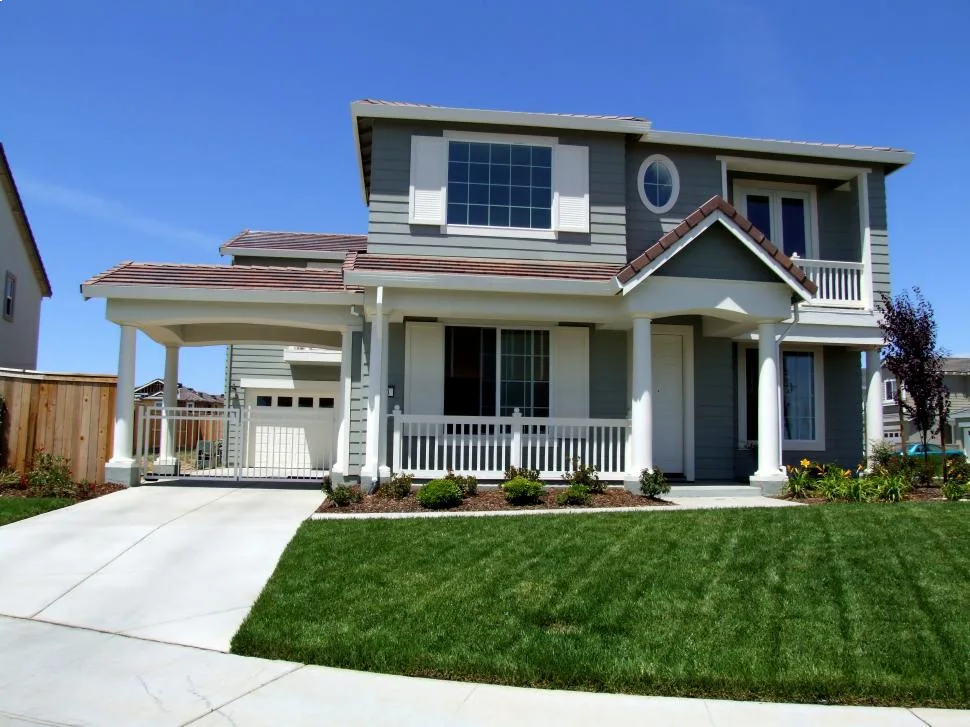
Most sellers pay $1,500 to $4,000 to stage a home. That’s the honest middle of the range, and it covers a typical three-bedroom house for the first month or two on the market.
But that number hides a lot. A consultation-only visit might run you $250. A fully furnished vacant colonial in Nassau County could hit $9,000 before it sells. And plenty of homeowners spend nothing at all and still close at a price they’re happy with.
This guide breaks down what home staging actually costs in 2026, what stagers charge for line by line, the fees that don’t show up in the quote, and how to figure out whether staging your particular house is a smart investment or money you’ll never see again.
Home Staging Cost at a Glance
| Type of service | Typical cost | What you get |
| Initial consultation | $150 – $600 | Walk-through plus a written report of recommendations |
| Occupied staging (your furniture) | $1,000 – $3,000 | Stager rearranges what you own, adds accessories |
| Partial staging (key rooms only) | $800 – $2,500 | Living room, primary bedroom, maybe the kitchen |
| Full vacant staging | $3,000 – $6,000+ | Rented furniture and decor throughout, installed |
| Monthly furniture rental after month one | $500 – $2,000/month | Keeps the furniture in place while you’re listed |
| Per-room staging | $300 – $700/room | Priced by the room instead of the whole house |
| Luxury or high-end staging | $6,000 – $20,000+ | Designer inventory, larger square footage |
| Virtual staging | $15 – $130 per photo | Furniture added digitally to listing photos only |
Two national datasets frame the range well. Angi’s 2026 figures put the average house staging project at roughly $1,849, with most homeowners landing between $832 and $2,917. HomeAdvisor data cited by Bankrate lands in nearly the same place, averaging $1,844.
The National Association of Realtors takes a different measurement. In its 2025 Profile of Home Staging, NAR reported a median of $1,500 when sellers hired a professional staging service, and $500 when the listing agent handled staging themselves. That gap tells you something useful: a large share of “staged” homes on the market never involved a staging company at all.
What You’re Actually Paying For
Staging quotes get lumped into one number, which makes them hard to compare. Here’s how that number breaks apart.
Design fee or consultation fee. This is the stager’s time and expertise. It covers the walk-through, the design plan, sourcing decisions, and project management. On a full staging job it usually accounts for 30% to 40% of your total, somewhere between $800 and $3,000. Some companies waive the consultation fee if you book the full service.
Furniture and decor rental. Usually the biggest line item on a vacant home, often 50% to 60% of the bill. You’re renting sofas, beds, dining sets, rugs, lamps, art, and the small accessories that make a room read as lived-in. Expect $100 to $700 per room per month, and up to $2,000 a month for a large house.
Delivery and installation. Trucks, movers, and a crew that sets everything up in a day. Sometimes bundled into the initial fee, sometimes billed separately at $500 to $1,500. Ask which.
De-staging and pickup. Everything has to come back out after closing. Some contracts include it; others charge a separate removal fee.
Monthly extension. Almost every staging contract runs 30 to 90 days. If the house doesn’t sell in that window, the meter keeps running. This is where budgets break.
Cost by Type of Staging
Consultation only: $150 to $600
A stager walks your house for one to two hours and hands you a room-by-room punch list. Move this, remove that, paint this wall, swap those curtains. You do the work.
This is the highest-value option for most sellers who still live in the home. You’re buying an outside perspective, which is exactly what you lose after ten years in a house. NAR notes that the typical seller has lived in their home for about a decade before selling, and by that point almost nobody can see their own rooms clearly anymore.
Occupied staging: $1,000 to $3,000
You still live there. The stager works with your existing furniture, edits it down, rearranges the layout, and brings in accent pieces, art, rugs, and linens to fill the gaps. Much cheaper than vacant staging because there’s little rental inventory involved.
The catch is that you have to live inside the staged version of your house. That means keeping counters clear, beds made to hotel standard, and the kids’ art off the fridge for as long as you’re listed.
Partial staging: $800 to $2,500
Only the rooms that move the needle. NAR’s 2025 data on which rooms buyers care about most is a useful guide here: the living room ranked first at 37%, followed by the primary bedroom at 34% and the kitchen at 23%. The guest bedroom came in last at 7%.
If you’re stretching a budget, that ranking tells you exactly where to put it. Stage the living room and the primary bedroom, deep clean the kitchen, and skip the spare rooms entirely.
Full vacant staging: $3,000 to $6,000 and up
An empty house is the hardest thing to sell and the most expensive thing to stage. There’s no existing furniture to work with, so every item comes from the stager’s warehouse.
Empty rooms photograph badly and read smaller than they are. Buyers can’t judge whether a king bed fits, and with nothing to look at, they look at the scuff on the baseboard instead. Zillow’s guidance notes that vacant staging with furniture rental commonly starts around $4,000. In expensive metros, $4,000 is the floor, not the average.
Luxury staging: $6,000 to $20,000+
Larger square footage, higher-end inventory, and stagers who specialize in the price bracket. Award-winning or luxury-focused firms often charge 50% to 100% above standard market rates. On a 4,000-square-foot house in a high-cost market, five figures is normal.
Virtual staging: $15 to $130 per photo
Furniture added digitally to your listing photos. Human-edited studios run roughly $24 to $40 per image, DIY and AI-driven tools go lower, and luxury-tier virtual staging services charge $59 to $129 per photo. A typical eight-photo listing might cost anywhere from under $100 to a few hundred dollars.
The honest limitation: virtual staging only works until someone walks through the door. The photos show a furnished living room; the buyer arrives to an empty one. That disconnect can hurt more than an honest empty photo would. It’s most defensible on lower-priced listings and on homes where a lot of buyers are shopping from out of state. Disclosure rules and MLS policies also vary, and most require virtually staged images to be labeled. Ask your agent before you use them.
Cost by Home Size
| Home size | Occupied staging | Vacant staging (first month) |
| Condo or small home, under 1,200 sq ft | $700 – $1,500 | $1,800 – $3,000 |
| 1,200 – 2,000 sq ft | $1,000 – $2,500 | $2,500 – $4,500 |
| 2,000 – 3,000 sq ft | $1,800 – $3,500 | $4,000 – $7,000 |
| 3,000 – 4,000 sq ft | $2,500 – $5,000 | $6,000 – $10,000 |
| 4,000+ sq ft | $4,000 – $8,000 | $8,000 – $20,000+ |
The Real Estate Staging Association pegs the national average for a 2,000-square-foot home at roughly $2,000 to $2,400 for an initial two-month period. Layout matters too. Some companies add a surcharge for two-story homes because every piece of furniture has to go up a staircase.
The Costs Nobody Puts in the Quote
This is the part most staging cost guides skip, and it’s where sellers get surprised.
Extended rental fees. Your contract covers 30, 60, or 90 days. Day 91 starts a new monthly charge of $500 to $2,000. If your house sits for five months, the “$3,500 staging job” quietly becomes $9,000.
Utilities on a vacant home. You’re keeping the lights, heat, and air conditioning on in a house nobody lives in, because a freezing or sweltering house kills showings. On Long Island, running heat through a January and February listing period on an empty 2,000-square-foot house is a real expense, not a rounding error.
Storing your own furniture. If a stager removes half your belongings to open up the rooms, that stuff has to go somewhere. A storage unit runs $100 to $300 a month, plus movers on both ends.
Prep work before the stager arrives. Staging sits on top of a clean, repaired house. It doesn’t replace one. Deep cleaning, touch-up paint, carpet cleaning, minor repairs, and landscaping commonly add $500 to $3,000 before a single rented lamp shows up. A stager will tell you plainly that staging a dirty house is a waste of money.
Damage liability. Read the contract. If a showing guest spills red wine on a rented sofa, you may owe for it. Some staging companies require proof of homeowners or liability coverage, and some charge a damage waiver.
Re-staging after a failed contract. If a deal collapses after the furniture came out, you may pay a second installation fee to put it all back.
Vacant home insurance. Many standard homeowners policies restrict or void coverage once a house sits unoccupied past 30 or 60 days. A vacant home policy typically costs more than the standard one. Call your carrier before you assume you’re covered.
Regional Pricing: What Long Island and the NYC Metro Actually Pay
National averages are built from Ohio and Nevada and Long Island all mixed together, which makes them close to useless for pricing a job in Nassau or Suffolk County.
Homes in major metros including New York typically run 30% to 50% above the national average for staging. Warehouse space costs more here, labor costs more, delivery through Long Island traffic costs more, and buyer expectations in a $700,000-plus market are higher.
Practical translation for a Long Island seller:
- Consultation: $250 – $700
- Occupied staging on a typical Levitt-era or split-level: $1,800 – $4,000
- Full vacant staging, 2,000 to 2,500 sq ft: $5,000 – $9,000 for the first 60 days
- Monthly extension: $800 – $2,500
Median single-family prices in Nassau and Suffolk have been running in the high-$600,000s to high-$700,000s in recent years. At those price points, the common rule of thumb that staging costs 0.5% to 1% of sale price puts you at $3,500 to $8,000. Which is roughly what local stagers actually charge, so the rule holds up better here than the national dollar averages do.
Does Staging Actually Pay for Itself?
Here’s where you need to be careful about which numbers you trust, because the staging industry publishes a lot of research about the staging industry.
What the neutral data says
NAR’s 2025 Profile of Home Staging surveyed 1,266 Realtors. Findings worth knowing:
- 83% of buyers’ agents said staging made it easier for a buyer to picture the property as their own home.
- 29% of agents reported staging produced a 1% to 10% increase in the dollar value offered.
- 49% of sellers’ agents said staging reduced time on market.
- 26% said staging affected most buyers’ view of the home, while 60% said it affected some buyers but not always, and 12% said it had no effect at all.
- Only 21% of sellers’ agents stage every listing. That’s down from 38% in 2017.
That last stat is the one nobody quotes, and it’s the most telling. If staging were a guaranteed windfall, agents would do it on every listing. They don’t, and the share doing it has been falling for years as costs climbed.
What the industry data says, and why to discount it
You’ll see figures like “staged homes sell 73% faster” and “3,551% return on a $3,813 investment” repeated across dozens of blog posts. Those come from the Real Estate Staging Association, a trade group for professional stagers.
They may well be directionally right. But these comparisons aren’t controlled studies. They don’t isolate staging from the other things that happen alongside it: the house also got deep cleaned, professionally photographed, repaired, and priced by an agent who was engaged enough to recommend staging in the first place. A seller who invests $3,800 in staging is not a random seller.
Treat the trade-group numbers as marketing and the NAR numbers as evidence. The reasonable conclusion from the evidence: staging usually helps a little, sometimes helps a lot, and occasionally does nothing.
A realistic ROI calculation
Say you have a $700,000 house and you spend $5,000 on staging.
- If staging lifts your price 1%, you net $7,000 and clear $2,000. Real, but thin.
- If it lifts your price 3%, you net $21,000 and clear $16,000. Excellent.
- If your house was going to sell in nine days at asking either way because inventory is tight, you spent $5,000 for nothing.
- If your house sits four months and you pay three rental extensions, you’re out $8,000 and possibly took a price cut anyway.
The variable that decides which scenario you land in isn’t staging quality. It’s your local market and your pricing.
When Staging Is Worth It, and When It Isn’t
Staging tends to pay off when:
- The house is vacant. This is the clearest case. Empty rooms are genuinely hard for buyers to read, and roughly four in ten top agents say vacant homes benefit most.
- The layout is odd or awkward, and furniture placement can prove the room works.
- Your home is above the local median price, where buyers expect polish and where a 2% swing is real money.
- Your furniture is dated or oversized, and every photo is fighting you.
- You’re in a slow or oversupplied market where listings compete on presentation.
Staging is usually a waste when:
- The house needs real repairs. Nobody has ever been talked out of noticing a leaking roof by a well-placed throw pillow. Fix it or price for it.
- Inventory is very tight and comparable homes are going to contract in days.
- You’re selling a teardown, a gut job, or an investor property, where the buyer is pricing land and rebuild cost, not decor.
- You’re on a tight closing timeline and can’t afford a 60-day staged marketing period.
- The numbers don’t clear. If staging costs $6,000 and your realistic upside is $5,000, don’t do it because a blog post said the ROI is 500%.
The Home Staging Process, Step by Step
Knowing the sequence helps you budget the calendar as well as the money.
- Consultation (week 1). One to two hours on site. The stager walks every room, takes photos and measurements, and asks what your timeline and price target are. You get a written report within a few days.
- Proposal and contract. A scope of work, an itemized price, the rental term, and the extension rate. Sign nothing without seeing the extension rate.
- Prep work (weeks 1 to 3). Yours to handle. Declutter, deep clean, paint, repair, and get the landscaping cut back. This usually takes longer than sellers expect.
- Design and inventory selection (5 to 10 days). The stager pulls pieces from their warehouse and builds the plan.
- Installation (1 day). An average house is done in a single day. Larger or multi-level homes may need two.
- Photography (day after install). Shoot immediately, while everything is perfect and before anything shifts.
- Listing period (30 to 90 days). The furniture stays. You keep it showing-ready.
- De-stage. After you go under contract or the term ends. Usually a half-day.
Total runway from first call to live listing is typically two to four weeks, assuming your prep work is done. If you need to be sold and closed in three weeks, staging isn’t in the plan.
How to Hire a Home Stager Without Overpaying
Get three quotes. Prices for the same house vary widely between companies in the same county.
Ask for the itemized breakdown. Design fee, rental, delivery, install, removal, and monthly extension listed separately. Anyone who won’t itemize is hiding something.
Ask what happens at day 61. Or day 91. Get the extension rate in writing and calculate what a four-month listing would actually cost you.
Look at their portfolio for houses like yours. A stager who does modern lofts beautifully may not know what to do with a 1958 Cape.
Check credentials. Look for Accredited Staging Professional (ASP) designation, or membership in the Real Estate Staging Association (RESA) or the International Association of Home Staging Professionals (IAHSP). Not required, but it signals someone who treats this as a profession rather than a side business.
Confirm insurance. They should carry liability coverage on their own inventory and crew.
Ask your agent for their referral. Some agents have negotiated rates, and a few offer staging as part of their listing package. NAR found that 23% of agents personally offer staging services.
Ways to cut the bill:
- Take the consultation and do the work yourself, then have the stager return for a two-hour “styling day” to place accessories.
- Stage only the living room, primary bedroom, and kitchen.
- Negotiate the term. If your agent expects a fast sale, ask for a 30-day contract instead of 90.
- Rent furniture directly from a rental company and skip the stager’s markup, if you’re confident about layout.
- Ask about “stage now, pay at closing” arrangements. Some firms offer them, usually with a premium.
How to Hire a Home Stager Without Overpaying
Get three quotes. Prices for the same house vary widely between companies in the same county.
Ask for the itemized breakdown. Design fee, rental, delivery, install, removal, and monthly extension listed separately. Anyone who won’t itemize is hiding something.
Ask what happens at day 61. Or day 91. Get the extension rate in writing and calculate what a four-month listing would actually cost you.
Look at their portfolio for houses like yours. A stager who does modern lofts beautifully may not know what to do with a 1958 Cape.
Check credentials. Look for Accredited Staging Professional (ASP) designation, or membership in the Real Estate Staging Association (RESA) or the International Association of Home Staging Professionals (IAHSP). Not required, but it signals someone who treats this as a profession rather than a side business.
Confirm insurance. They should carry liability coverage on their own inventory and crew.
Ask your agent for their referral. Some agents have negotiated rates, and a few offer staging as part of their listing package. NAR found that 23% of agents personally offer staging services.
Ways to cut the bill:
- Take the consultation and do the work yourself, then have the stager return for a two-hour “styling day” to place accessories.
- Stage only the living room, primary bedroom, and kitchen.
- Negotiate the term. If your agent expects a fast sale, ask for a 30-day contract instead of 90.
- Rent furniture directly from a rental company and skip the stager’s markup, if you’re confident about layout.
- Ask about “stage now, pay at closing” arrangements. Some firms offer them, usually with a premium.
Staging vs. Selling As-Is: A Straight Comparison
Staging is one path. It isn’t the only one, and it’s worth running the math on the alternative before you commit.
| Stage and list on the MLS | Sell as-is to a cash buyer | |
| Upfront cost | $1,500 – $9,000 staging, plus prep | $0 |
| Repairs required | Usually yes | No |
| Cleaning required | Yes, thoroughly | No |
| Agent commission | Typically 2% – 3% listing side, plus buyer-side compensation | None |
| Showings | Ongoing, on buyers’ schedules | None |
| Time to close | 30 – 90+ days after going under contract | Often 7 – 14 days |
| Financing fall-through risk | Real | None |
| Sale price | Higher, if the market cooperates | Below full retail |
| Certainty | Variable | High |
The tradeoff is honest and it goes both ways. A cash offer will come in below what a fully renovated, professionally staged home might fetch on the open market. That’s the price of speed, certainty, and spending nothing to get there.
Whether that trade makes sense depends entirely on your situation. If your house shows well, you can afford to wait, and your market is competitive, listing it will usually net you more. If you’re dealing with an inherited property in Suffolk County that needs $60,000 of work, a vacant house you’re heating through the winter, a foreclosure timeline, a tenant problem, or a property with open permits or a missing certificate of occupancy, the staging conversation is beside the point. You’d be spending money to stage a house whose real obstacle isn’t presentation.
Run both numbers. Get a staging quote and get a cash offer, then compare net proceeds after commission, repairs, staging, carrying costs, and time. Sometimes the listed sale wins by $40,000. Sometimes the gap is $8,000 and four months of mortgage payments, taxes, insurance, and utilities eats most of it.
Frequently Asked Questions
How much does it cost to stage a house? Most sellers pay $1,500 to $4,000. Occupied homes using existing furniture run $1,000 to $3,000. Vacant homes needing full furniture rental run $3,000 to $6,000 or more. In high-cost metros including the New York area, add 30% to 50%.
Is home staging worth the cost? Often, but not always. NAR found 29% of agents saw a 1% to 10% increase in offer value from staging, and 49% of sellers’ agents saw shorter time on market. It’s most worth it for vacant homes, above-median listings, and slow markets. It’s least worth it when the house needs repairs or when inventory is so tight that anything sells.
How much does it cost to stage a house per month? After the initial term, monthly furniture rental runs $500 to $2,000 depending on how many rooms are furnished. Per-room monthly pricing is typically $300 to $700.
Can I stage my home myself? Yes, and for many sellers it’s the best value. Pay $150 to $600 for a professional consultation, then execute the recommendations yourself. The bulk of staging’s benefit comes from decluttering, depersonalizing, cleaning, and improving lighting, all of which cost time rather than money.
Which rooms should I stage first? Living room, primary bedroom, kitchen. NAR’s 2025 buyer data ranks them 37%, 34%, and 23% in importance. Guest bedrooms and home offices matter least.
How long does staging furniture stay in the house? Standard contracts run 30 to 90 days, extendable monthly. Get the extension rate before you sign.
Does staging cost more for a vacant house? Yes, significantly. Vacant staging requires renting a full set of furniture and decor, which is the single largest expense in staging. Expect to pay roughly double what occupied staging costs.
Is virtual staging a good substitute? For photos, yes. For showings, no. At $15 to $130 per image it’s dramatically cheaper, but buyers who tour the home see empty rooms, and the contrast with the listing photos can backfire. Most MLSs require virtually staged images to be disclosed.
Is home staging tax deductible? Staging costs are generally treated as selling expenses rather than deductions, and can often be factored into the cost basis calculation when determining capital gains on the sale. Rules depend on your situation and whether the property was a primary residence or an investment. Talk to a CPA rather than relying on a blog post, including this one.
Do I have to stage if I sell to a cash buyer? No. Cash buyers purchase as-is and price the property on condition and location, not presentation. There’s no reason to spend money on furniture rental for a buyer who isn’t going to live in the house.
The Bottom Line
Home staging costs most sellers $1,500 to $4,000, with vacant homes and expensive metro markets pushing well past that. The consultation-only route at $150 to $600 delivers most of the benefit for a fraction of the price, and it’s underused.
Before you spend anything, ask the question the staging industry’s own statistics won’t answer for you: is presentation the actual obstacle to selling this house? If the answer is yes, staging is one of the better dollars you’ll spend in the sale. If the real obstacle is condition, a timeline, a title issue, or a number that doesn’t work, no amount of rented furniture will fix it, and the money is better kept in your pocket.