
 631-388-6640
How to Sell My House Fast for Cash: A Step-by-Step Guide for New York Homeowners
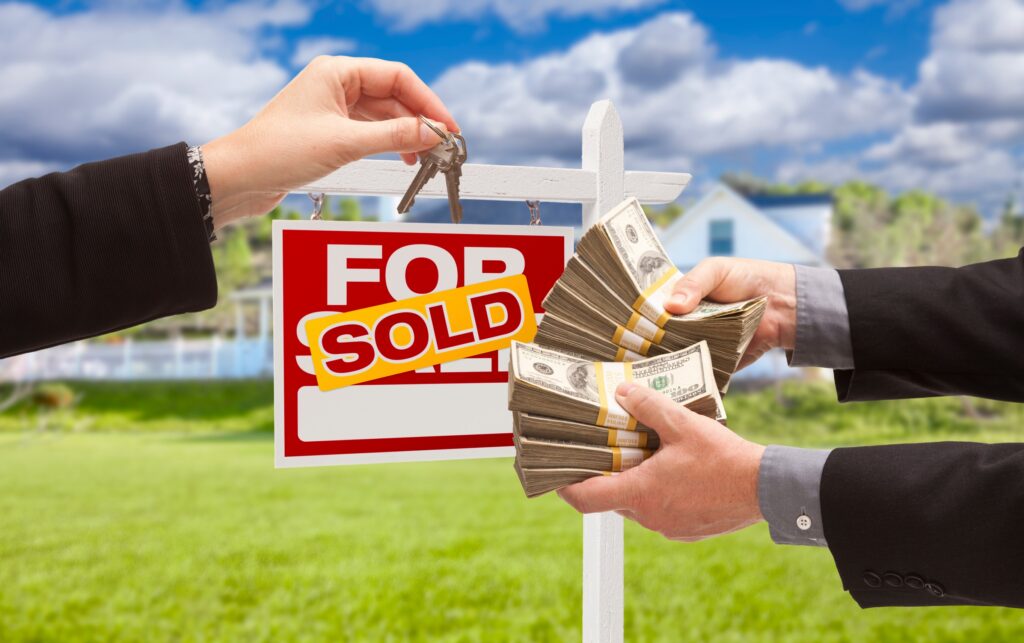
If you’ve typed “how to sell my house fast for cash” into Google, you probably don’t have months to spare. Maybe you’re relocating, facing foreclosure, settling an estate, or simply done with a property that’s become a burden. Whatever the reason, the good news is this: selling a house for cash is genuinely faster and simpler than a traditional sale — often closing in 7 to 14 days instead of the three-to-five months a listed sale takes.
But “fast” and “cash” attract both excellent buyers and bad actors, and the difference between a great cash sale and a regrettable one comes down to knowing the process, understanding what you’ll actually net, and vetting who you sell to.
This guide walks you through exactly how to sell your house fast for cash: the step-by-step process, who the real cash buyers are, how much you can expect to receive, how the big-name options like an Opendoor cash offer compare, and the red flags that separate legitimate buyers from predators.
Can I Really Sell My House for Cash? (Yes — Here’s How It Works)
Yes — you can absolutely sell your house for cash, and thousands of homeowners do it every month. Selling for cash simply means selling to a buyer who purchases outright, without a mortgage or lender financing. Because there’s no loan approval, no underwriting, and usually no lender-required appraisal, the single slowest and riskiest part of a normal sale disappears.
That’s why cash sales are fast: a professional cash buyer can give you an offer within 24 hours and close in as little as a week. It’s also why they’re more certain — roughly one in twenty traditional sales collapses when the buyer’s financing falls through, a risk that simply doesn’t exist with a verified cash buyer.
How to Sell Your House Fast for Cash in 5 Steps
Here’s the entire process, start to finish:
Step 1: Gather your basic property information. You don’t need to clean, repair, or stage anything. Just know the essentials: your address, approximate square footage, number of bedrooms and bathrooms, the home’s rough condition, and your reason and timeline for selling. That’s enough for a serious buyer to work with.
Step 2: Request your cash offer. Contact a cash buyer by phone or online form. A reputable local buyer will often ask a few questions or do a quick walkthrough (in person or virtual), then present a written, no-obligation offer — frequently within 24 hours. You should never pay anything to receive an offer.
Step 3: Review the offer — and compare. Read the offer carefully. A trustworthy offer states the price clearly, specifies who pays closing costs, and commits to a closing timeline. Don’t be afraid to request offers from two or three buyers to benchmark. The number that matters is your net proceeds — what you actually walk away with — not the headline figure.
Step 4: Accept and open title/escrow. Once you accept, the buyer opens title work with an attorney or title company (in New York, real estate closings involve attorneys). A title search confirms clear ownership. This is where a legitimate buyer’s proof of funds gets verified and the paperwork gets prepared.
Step 5: Pick your closing date and get paid. You choose the date — as fast as 7–14 days, or further out if you need time to move. At closing, you sign, the mortgage (if any) gets paid off, and you receive your funds, typically by wire or certified check. Done.
No showings. No open houses. No repairs. No financing contingencies. No months of uncertainty.
Who Actually Buys Houses for Cash?
“Cash buyer” covers several different types, and knowing which you’re dealing with matters:
- Local cash-buying companies / house flippers: Established local businesses (like MrCashBuyer on Long Island) that buy as-is, close fast, and renovate or rent the homes. The best ones are verifiable, reviewed, and buy directly with their own funds.
- iBuyers: Tech companies like Opendoor that use algorithms to make near-instant offers in select markets (more on how they compare below).
- Individual real estate investors: Independent buyers building rental portfolios or doing flips.
- Wholesalers: These don’t actually buy your home — they get it under contract and then try to sell that contract to a real investor. Not inherently bad, but you need to know if you’re dealing with one, because it adds a middleman and can affect certainty.
The key is verifying that whoever you’re talking to has the actual funds and a track record. We cover exactly how in the red flags section.
How Much Will I Get? Understanding a Cash Offer
Let’s be transparent, because this is where sellers get surprised. A cash offer is typically below full retail market value — a cash buyer takes on the property’s condition, repair costs, holding costs, and resale risk, and that’s priced into the offer.
But comparing a cash offer to your home’s Zillow “market value” is the wrong comparison. The right comparison is net vs. net — what you’d actually pocket each way:
| Cost | Traditional Sale | Cash Sale |
|---|---|---|
| Agent commissions (5–6%) | You pay | $0 |
| Repairs to make it sellable | You pay (often $10K–$50K+) | $0 — sold as-is |
| Seller-paid closing costs | 1–3% | Often covered by buyer |
| Buyer concessions after inspection | Common | None |
| Carrying costs (3–5 months) | Mortgage, taxes, insurance, utilities | Minimal — you close in days |
| Risk of the deal collapsing | Real (financing/appraisal) | Very low |
When you subtract commissions, repairs, concessions, and months of carrying costs from a traditional sale, the gap between “list price” and “cash offer” narrows dramatically — and for a home that needs work, it can disappear entirely. We break this math down further in our guide to the benefits of selling to a cash buyer.
A good rule: judge a cash offer by your net proceeds and how fast you need to sell — not by the sticker price alone.
Cash Home Buyer vs. Opendoor and iBuyers
Because so many sellers researching a cash sale also look at an Opendoor cash offer, here’s an honest comparison. Opendoor is the largest iBuyer in the country, using algorithms to make fast cash offers — but it works differently from a local cash buyer:
| Factor | Local Cash Buyer (e.g. MrCashBuyer) | Opendoor / iBuyers |
|---|---|---|
| Service/program fee | Typically none | Around 5% service fee (varies) |
| Closing costs | Often covered by buyer | ~1–4% on the seller |
| Repair deductions | Priced into a single as-is offer upfront | Deducted after inspection — sellers report $5,000–$30,000+, sometimes dropping the offer well below the initial quote |
| Condition accepted | Any condition — fire, water, hoarding, foreclosure | Homes generally must be in decent, more standard condition |
| Buys inherited/tenant-occupied/flood-zone homes? | Frequently yes | Often excluded |
| Market availability | Local specialist markets | ~50 select metro markets |
| Who you deal with | A local person who knows your market | A national algorithm + app |
The takeaways: iBuyers like Opendoor charge a service fee (around 5%) plus repair deductions that are often revealed only after you’ve accepted the initial number — and third-party analyses have found their purchase prices average meaningfully below eventual resale value. They also decline many property types (inherited homes, tenant-occupied, flood zones, homes needing real work). A local cash buyer typically folds everything into one transparent as-is offer with no separate service fee, and buys the difficult properties iBuyers won’t touch.
Neither is universally “better” — but if your home needs work, sits outside Opendoor’s markets, or is an inherited/tenant/foreclosure situation, a local cash buyer is usually the more realistic path. Always get offers from both and compare net proceeds. (For more on the iBuyer model specifically, see our Long Island iBuyer guide.)
How to Sell a House As-Is for Cash
Selling as-is means selling the home in its current condition, with no repairs, no cleaning, and no improvements — the buyer accepts the property exactly as it stands. This is one of the biggest reasons homeowners choose a cash sale, and cash buyers are built for it.
You can sell as-is for cash even if your home has:
- Fire, water, or storm damage
- Mold, foundation, or roof problems
- Outdated systems, code violations, or a missing certificate of occupancy
- Decades of belongings (common with inherited homes)
- Tenants still living there
- An active foreclosure on the calendar
A traditional buyer’s lender often won’t finance homes in poor condition, which is exactly why as-is sellers turn to cash buyers. You skip the repair bills, the contractor scheduling, and the inspection-based renegotiation entirely. Learn more about how this works locally in our guide to selling your Long Island home as-is.
Red Flags: How to Spot a Cash Buyer Scam
The speed of cash sales attracts a few predators. Protect yourself — a legitimate buyer will pass every one of these checks:
- No proof of funds? Walk away. A real cash buyer can show a bank statement or proof-of-funds letter on request. Hesitation is your answer.
- Upfront fees are always a scam. Legitimate cash buyers never charge you application, processing, or “release” fees before closing.
- Verify they’re the actual buyer, not a wholesaler. Ask directly: “Are you purchasing this property yourself, or assigning the contract?” Both can be fine, but you deserve to know.
- Check the track record. Look for verifiable Google reviews, years in business, and real completed purchases — not just a website and a phone number.
- Read the contract for escape hatches. Watch for long inspection periods, vague closing dates, or clauses letting the buyer freely back out or renegotiate.
- Beware pressure tactics. “This offer expires in one hour” is a manipulation tactic. Real buyers give you room to think.
- Never sign over your deed to settle arrears. In foreclosure situations especially, be wary of anyone asking you to transfer the deed in exchange for taking over payments.
Is Selling for Cash Right for You?
A fast cash sale is an excellent fit when:
- You need to sell quickly — relocation, foreclosure, estate, divorce, financial pressure
- Your home needs repairs you can’t or don’t want to fund
- You want certainty and zero contingencies
- You’d rather skip showings, staging, and months of disruption
- You own an inherited, vacant, or tenant-occupied property
A traditional sale may serve you better when:
- Your home is in good, move-in-ready condition
- You’re not in a hurry and want to maximize sale price
- You’re willing to handle prep, showings, and financing timelines
If you have time, our home sale tips guide covers how to get top dollar the traditional way. If you need speed and certainty, a cash sale is hard to beat.
Ready to Sell Your Long Island House Fast for Cash?
MrCashBuyer has bought over 1,000 homes across Nassau and Suffolk County — in every condition and situation described in this guide. Led by Chris Chiarenza, we make selling fast and transparent:
- A written cash offer within 24 hours — free, no obligation, no pressure
- We buy 100% as-is — no repairs, cleaning, or showings
- No commissions, no service fees, no hidden costs — and we cover typical closing costs
- You pick the closing date — as fast as 7 days
- Local, verifiable, and reviewed — we’re your Long Island neighbors, not a national algorithm
From Smithtown to Babylon, Huntington to Patchogue, we buy houses across Long Island.
Find out exactly what your house is worth in cash. Call MrCashBuyer at 631-388-6640 or request your free cash offer online — no obligation, ever.
Frequently Asked Questions
How can I sell my house fast for cash?
Contact a reputable cash buyer with your property’s basic details, receive a no-obligation written offer (often within 24 hours), compare offers by net proceeds, accept, and choose your closing date — typically 7 to 14 days out. There are no repairs, showings, or financing contingencies, which is what makes the process so fast.
Can I sell my house for cash?
Yes. Any homeowner can sell to a cash buyer who purchases outright without a mortgage. Because there’s no lender, loan approval, or required appraisal, cash sales close far faster and carry much less risk of falling through than traditional financed sales.
How much less do you get selling a house for cash?
Cash offers are typically below full retail price because the buyer absorbs repairs, holding costs, and resale risk. However, after subtracting agent commissions (5–6%), repair costs, seller closing costs, buyer concessions, and months of carrying costs from a traditional sale, the net difference is often much smaller than the headline gap — and can disappear for homes needing work.
How fast can I sell my house for cash?
A professional cash buyer can present an offer within 24 hours and close in as little as 7 to 14 days. If you need more time to move, reputable buyers will schedule the closing around your timeline instead.
Is an Opendoor cash offer better than a local cash buyer?
It depends. Opendoor (an iBuyer) charges roughly a 5% service fee plus repair deductions often revealed after you accept the initial offer, operates only in about 50 markets, and declines many property types like inherited, tenant-occupied, or damaged homes. A local cash buyer usually folds everything into one as-is offer with no service fee and buys difficult properties iBuyers won’t. Compare net proceeds from both.
Can I sell a house as-is for cash?
Yes — selling as-is is one of the main advantages of a cash sale. Cash buyers purchase homes in any condition, including fire or water damage, mold, code violations, outdated systems, inherited properties full of belongings, and tenant-occupied homes. You make no repairs and do no cleaning.
How do I avoid cash home buyer scams?
Always verify proof of funds, never pay upfront fees, confirm the buyer is the actual purchaser (not a wholesaler assigning your contract), check verifiable reviews and track record, read the contract for vague terms or escape clauses, and walk away from high-pressure “expires now” tactics.