
 631-388-6640
How to Sell Your House for the Most Money
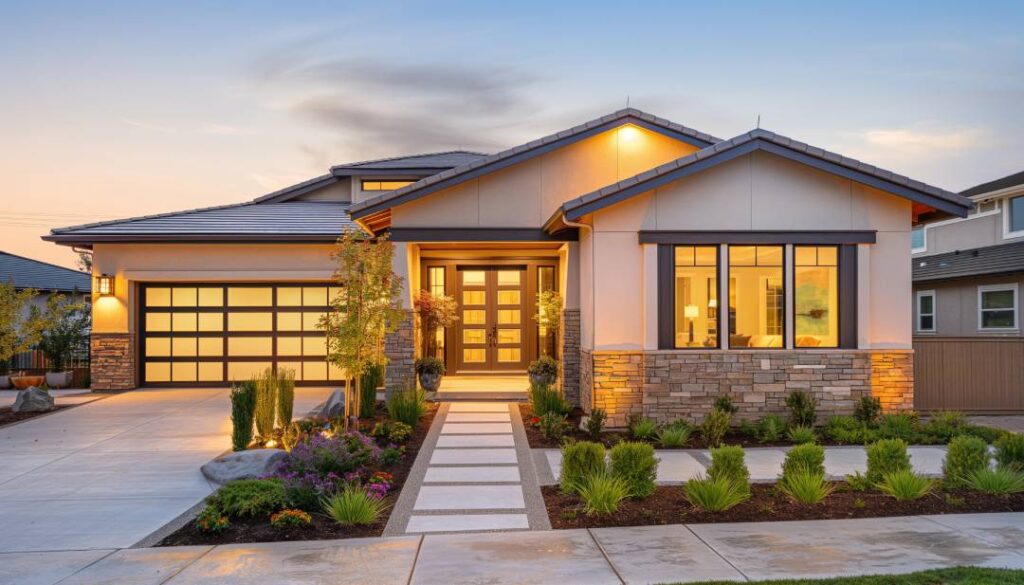
Getting top dollar for a house comes down to five things: pricing it correctly from day one, spending only on the improvements that actually return money, making it look better than every competing listing, marketing it to the entire buyer pool, and negotiating on the full strength of each offer rather than the headline number. Sellers who do all five consistently beat sellers who do three.
The instinct most people have about maximizing price is to spend more: bigger renovations, a higher asking price, holding out for a better offer. Every one of those instincts is usually wrong, and each can cost you money. The path to the highest net proceeds is more disciplined and, in most cases, cheaper than sellers expect.
This guide covers exactly how to net the most from your sale, including the improvement data that shows which projects pay you back and which quietly lose money, and an honest accounting of what “the most money” really means once every cost comes out.
First, Understand What “The Most Money” Actually Means
Sellers fixate on sale price. The number that matters is net proceeds, what actually lands in your account after everything comes out.
A house that sells for $720,000 but cost you $45,000 in improvements, $40,000 in commission, and four extra months of carrying costs can net you less than the same house sold for $695,000 with almost none of that spending. Chasing the highest sticker price often means spending your way past your own gains.
So the real question isn’t “how do I get the biggest number,” it’s “how do I get the biggest number that’s left after costs.” Keep that frame for everything below.
Step 1: Price It Right From Day One
This is counterintuitive, so it goes first: the way to sell for the most money is almost never to ask for the most money.
A listing draws its heaviest traffic in the first ten to fourteen days. The moment it hits the MLS it syndicates everywhere and alerts every buyer with a matching saved search. Price it right and that surge becomes competing offers that can bid the price above asking. Price it high and the buyers who would have competed filter you out before they ever click, and you’re left talking to no one.
The data is unambiguous. Zillow’s research found homes that linger sell for about 5% below list price after two months. Realtor.com’s senior economist put the 2026 reality plainly: an overpriced home doesn’t just sit, it gets stale, loses leverage, and sells for less than if it had been priced right from the start. In many markets nearly a third of listings have had to cut their price. Overpricing doesn’t “test the market.” It burns your best window and forces a discount later.
To price for maximum money:
- Price off closed comparable sales from the last three to six months, adjusted for condition and square footage. Not your tax assessment, not a Zestimate, not what a neighbor is asking.
- Price at or just under true market value to generate competition. In a tight market, a slightly conservative asking price often produces multiple offers that push the final number higher than an aggressive list price would have.
- Get a pre-listing appraisal ($400 to $700) for an independent anchor before you commit.
- If you’re not seeing offers within two weeks despite showings, the price is high. Adjust early, before the listing goes stale, because a stale listing is a bigger discount than a well-timed reprice.
The single most expensive mistake in maximizing a sale is an aspirational asking price. Precision beats ambition every time.
Step 2: Spend Only on Improvements That Return Money
This is where sellers trying to maximize price lose the most, by pouring money into renovations that never come back.
Here’s the truth the remodeling industry’s own data shows every year: the small, exterior, curb-appeal projects deliver the best return, and the big interior remodels deliver the worst. That feels backward, but it’s remarkably consistent.
What actually pays you back
The annual Cost vs. Value Report compares what projects cost against the resale value they add, using data from contractors and appraisers across hundreds of markets. The recent findings, treated as national averages that vary by market:
- Garage door replacement has been the top performer, recovering well above its cost. Recent editions put a roughly $4,700 job adding around $12,500 in resale value. It’s held the number-one ROI spot in six of the last seven years, largely because the garage door covers a big share of the front facade and a dated one signals neglect.
- Steel entry door replacement consistently near the top, often recouping more than its cost.
- Manufactured stone veneer on the exterior, another high performer.
- A minor kitchen remodel (refacing or painting cabinets, new hardware, updated counters and fixtures) beats a major remodel on return every time.
- A mid-range bathroom refresh (new vanity, mirror, fixtures, fresh caulk, without moving plumbing) beats an upscale one.
What loses money at resale
- Upscale kitchen remodels. The most emotionally loaded room and the most dangerous place to overspend. A gorgeous $80,000 kitchen frequently returns fifty cents on the dollar.
- Major additions and upscale bathroom overhauls.
- Swimming pools, which typically recover a small fraction of their cost and can even deter buyers.
- Anything highly personal to your taste.
The rule that follows from the data
Refresh, don’t gut. Spend on the exterior and on cosmetics, not on structure. If you’re renovating to live in the home for a decade, do whatever makes you happy. If you’re renovating to sell, let the return data decide where the money goes, not a showroom.
The highest-return spending of all is the cheapest: paint, cleaning, decluttering, and curb appeal. These aren’t on the Cost vs. Value list because they’re not remodels, but per dollar spent they beat every project on it.
Step 3: Win the First Impression
Buyers form a price anchor before they walk in the door, and a large share decide from the listing photo or the drive-by whether to engage at all. Presentation isn’t cosmetic. It moves the actual number.
Curb appeal moves the price measurably
This is one of the best-documented effects in real estate. A peer-reviewed study from the University of Texas at Arlington, published in The Journal of Real Estate Finance and Economics, found homes with strong curb appeal sell for an average of 7% more than comparable homes in the same neighborhood, with the premium rising to 10% to 11% in slower markets where standing out matters most. Strong curb appeal also reduced the chance of a sale falling through. If you’re planning to improve your home’s exterior, start with these curb appeal tips for selling your home.
The professional consensus is near-unanimous: NAR data shows 97% of agents believe curb appeal matters for attracting buyers and 92% recommend improving it before listing. And the cheapest moves return the most. NAR’s Remodeling Impact Report consistently finds basic lawn care and landscape maintenance among the highest cost-recovery projects of any kind. Before investing in upgrades, learn how to increase your home’s curb appeal with simple, budget-friendly improvements.
The high-return curb appeal checklist:
- Mow, edge, and trim, then maintain it the whole time you’re listed
- Fresh mulch and clean, defined bed edges
- Power-wash the driveway, walkway, siding, and porch
- Paint the front door; update house numbers and the mailbox
- Trim anything blocking a window or the entry
- A clean doormat and a couple of potted plants at the door
- Make sure every exterior light works
Inside: declutter, depersonalize, neutralize, and light it up
- Declutter by roughly a third. Uncluttered rooms photograph larger and feel bigger, and high-resolution photos of clean rooms can make a home look noticeably more spacious.
- Depersonalize. Take down family photos so buyers can picture their own life there.
- Neutral paint over bold colors is one of the best-return moves in the entire sale.
- Maximize light. Open every blind, clean the windows, and use bright bulbs. Light is the thing buyers respond to most.
- Deep clean everything, twice. A spotless house reads as a maintained house and supports a higher price
Staging, when the numbers justify it
Staging helps most on vacant homes and above-median listings. NAR’s staging research found a meaningful share of agents saw staging lift offer value by 1% to 10%. Full staging runs $1,500 to $4,000; a consultation-only visit ($150 to $600) buys you the plan to execute yourself for far less.
Professional photos are how the presentation reaches buyers
Almost every buyer’s first encounter with your home is a thumbnail on a phone. Owner-taken phone photos cost you clicks, and fewer clicks mean fewer showings and a weaker final price. Widely repeated industry figures hold that professional photos sell homes faster and for thousands more; those come largely from real estate media firms, so treat the exact percentages as directional, but the direction isn’t in dispute. A $250 to $700 shoot is the highest-return marketing dollar you’ll spend. Insist on natural light, wide-angle shots from the corners, straight verticals, and enough images in a logical room-by-room order.
Step 4: Market to the Entire Buyer Pool
The more qualified buyers who see your home, the more competition, and competition is what drives the price up.
The MLS is non-negotiable. It feeds Zillow, Realtor.com, Redfin, and every buyer’s agent’s search. A home that isn’t on it is invisible to most buyers, which kills the competition you need for top dollar. With an agent this is automatic; on your own, a flat-fee MLS service ($100 to $600) gets you listed without a listing commission.
Then widen the net: a yard sign, a free Zillow listing, Facebook Marketplace, local community groups, and a well-timed open house. Every additional interested buyer strengthens your negotiating position.
Timing helps too. March through June is the strongest window nationally, with September and October a solid second. Listing into peak demand means more buyers competing, which means a higher price. If you can choose, be market-ready by mid-March.
Write the listing to sell, leading with what’s genuinely compelling and describing the property accurately. Note that fair housing law governs how you describe a home: describe the house, never the ideal buyer.
Step 5: Create Competition and Negotiate on Strength
Top dollar usually comes from having more than one buyer want the house at the same time. Everything in Steps 1 through 4 exists to manufacture that moment.
How to create and use competition:
- A slightly conservative list price plus strong presentation is the most reliable way to generate multiple offers.
- Set an offer deadline if interest is strong, so serious buyers put their best foot forward at once.
- Don’t jump at the first offer in a hot situation, but don’t get greedy either. The best offer isn’t always the highest number.
Evaluate offers on total strength, not just price:
- Financing type. Cash is strongest; conventional with a large down payment next; FHA and VA carry extra appraisal and condition requirements that can slow or complicate the deal.
- Down payment size. Larger down payments survive an appraisal shortfall better, which protects your price.
- Contingencies. Each one is a way for the buyer to renegotiate or walk. Fewer is stronger.
- Closing timeline that fits your needs.
Protect the price through the appraisal. On a financed deal, if the appraisal comes in below your contract price, the lender only lends against the lower number and the deal can wobble. A buyer with a large down payment, or an appraisal-gap clause where the buyer agrees to cover a shortfall, protects the price you negotiated. This is a real reason a slightly lower offer from a stronger buyer can net you more than a higher offer that collapses at appraisal.
Don’t torch a great deal over small fights. Losing a strong, qualified buyer over a $4,000 repair credit, then carrying the house two more months while it goes stale, is a bad trade. Let the math lead.
Things to Do Before You List: The Top-Dollar Checklist
In order:
- Get a realistic value from recent comps and ideally a pre-listing appraisal.
- Build a net-proceeds estimate so you’re optimizing the right number.
- Get a pre-listing inspection and fix the deal-breakers, so nothing blows up your price during the buyer’s inspection. Roughly 13% to 14% of deals have been falling through in 2026, inspection issues chief among them.
- Gather your paperwork early: deed, survey, tax bills, and any certificate of occupancy and permits. On Long Island especially, a missing CO for a basement, deck, or addition can delay or sink a closing.
- Do the high-ROI improvements only: garage door and entry door if they’re tired, minor cosmetic refreshes, and paint. Skip the gut renovation.
- Handle curb appeal.
- Declutter, depersonalize, deep clean.
- Stage the key rooms if the house is vacant or above median.
- Get professional photos.
- List on the MLS, timed to peak season if you can.
The Honest Part: When “The Most Money” and “A Cash Sale” Point in Different Directions
This site buys houses for cash, so here’s the straight version, because your trust is worth more than a sale.
If your goal is genuinely the highest possible net, and your house is in sound condition, and you have the time to do this right: list it and follow the five steps above. A well-prepared, well-priced, well-marketed sound home on the open market will almost always net more than a cash offer. A cash buyer prices in repairs, carrying costs, and risk, so the offer comes in below full retail. That’s the honest tradeoff, and on a good house with time, the listing wins on price. We won’t pretend otherwise.
A cash sale is about a different goal: speed and certainty, with no repairs, no showings, no financing risk, and a close in one to three weeks. Sometimes it even wins on net, but only in specific situations:
- The house needs major work you can’t fund, and buyers would discount it far more than the repairs cost while lenders balk at the condition
- You’re on a deadline the open market can’t meet
- Carrying costs are the real problem, and every month listed makes things worse
- There’s an obstacle, an inherited property you can’t prep, a tenant issue, open permits, a title problem, that would make a traditional sale long and uncertain
In those cases, the “lower” cash number can beat the listing’s net once you subtract repairs, commission, concessions, and months of carrying costs from a price you might not even achieve.
The way to know for certain is the same regardless: run both net numbers. Get a listing estimate and a cash offer, subtract every cost from each, factor in the time each takes, and compare. If maximum money is your only goal and your house cooperates, that comparison will usually point you to the listing, and that’s the right answer.
Frequently Asked Questions
How do I sell my house for the most money?
Price it at true market value from day one, spend only on high-return improvements (curb appeal, garage door, cosmetic refreshes, not major remodels), present it well with decluttering and professional photos, market it to the full buyer pool through the MLS, and negotiate on the total strength of each offer. Focus on net proceeds, not the sticker price.
What improvements add the most value when selling?
Small exterior and cosmetic projects. The Cost vs. Value Report consistently ranks garage door replacement, steel entry door, and manufactured stone veneer at the top, along with minor kitchen and bath refreshes. The cheapest moves of all, paint, cleaning, decluttering, and curb appeal, return the most per dollar.
What improvements should I avoid before selling?
Big-ticket remodels done specifically to sell. Upscale kitchen renovations, major additions, upscale bathroom overhauls, and swimming pools typically recover only a fraction of their cost. Renovate those for your own enjoyment, not for resale return.
Does curb appeal really increase sale price?
Yes, measurably. A University of Texas at Arlington study found homes with strong curb appeal sell for about 7% more than comparable homes, rising to 10% to 11% in slower markets. NAR reports 97% of agents consider it important for attracting buyers. Lawn care and mulch, the cheapest fixes, return the most.
Should I price my house high to leave room to negotiate?
No. This is the most common mistake in trying to maximize price. Overpricing burns your best two weeks of buyer traffic, leads to a stale listing, and forces a discount later, usually to below what correct pricing would have achieved. Price at or just under market to create competition instead.
Is it worth paying for professional photos to get more money?
Yes. It’s the highest-return marketing spend in a sale. Almost every buyer’s first impression is an online photo, and better photos drive more clicks, more showings, and stronger offers. A $250 to $700 shoot routinely pays for itself many times over.
How do I get multiple offers on my house?
Combine a slightly conservative list price with strong presentation and full MLS exposure, and list during peak season if you can. When several qualified buyers see a well-priced, well-presented home at once, competition drives the price up. An offer deadline can concentrate that competition.
What is the difference between sale price and net proceeds?
Sale price is the headline number. Net proceeds are what’s left after commission, transfer taxes, attorney fees, improvements, concessions, mortgage payoff, and carrying costs. Net proceeds are what you actually keep, and they’re the number to optimize, not the sticker price.
Do I make more money selling with an agent or on my own?
It depends. An agent’s marketing and negotiation often produce a higher sale price, but you pay the listing commission. Selling on your own saves that commission but requires you to handle pricing, marketing, and negotiation well. Either way, the fundamentals of maximizing price in this guide apply.
Will I always get more money listing than selling to a cash buyer?
For a sound house with time to prepare and market it, almost always yes, because a cash offer prices in repairs, carrying costs, and risk. A cash sale can net more only when the house needs major work, when you’re on a hard deadline, or when carrying costs would erode the difference. Run both net numbers to be sure.
The Bottom Line
Selling for the most money is a matter of discipline, not spending. Price at market from day one, put your improvement dollars only where they come back, make the house look better than the competition in photos and in person, get it in front of every buyer, and negotiate on the full strength of each offer. Optimize net proceeds, not the sticker price, and you’ll keep more than the seller who chased a big number and spent their way past it.
And if you’re weighing top dollar against speed and certainty, get the real figures for both paths before you decide. When maximum money is the goal and your house cooperates, the open market usually wins, and a company that buys houses for cash telling you that is worth listening to.