
 631-388-6640
How to Prepare for an Open House: The Complete Seller’s Checklist
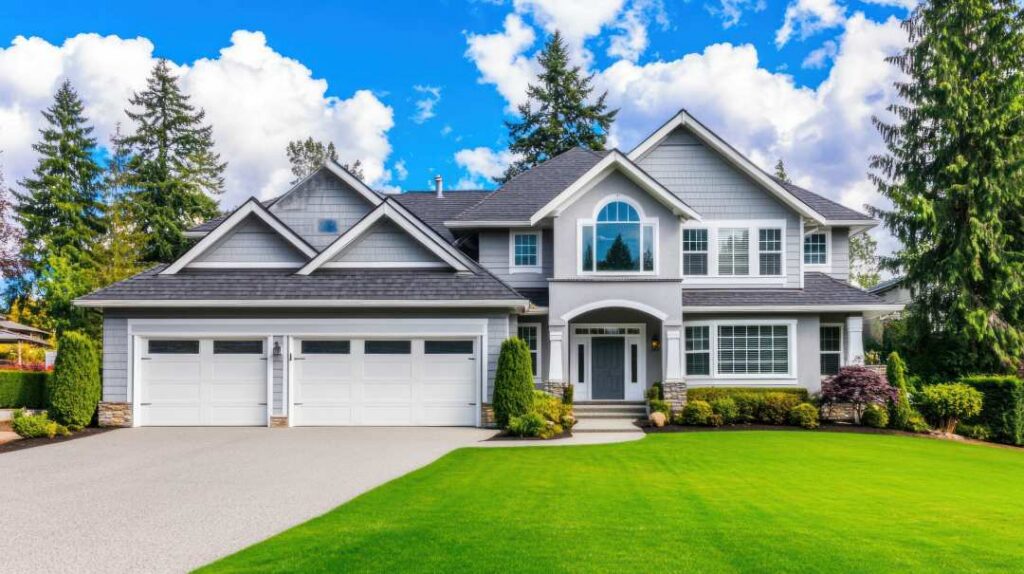
An open house is your home’s audition. In a single afternoon, dozens of potential buyers walk through your door and form a first impression that can make or break an offer. Getting your home ready isn’t complicated, but it does reward preparation — and this guide gives you the exact steps, on a clear timeline, so nothing gets missed.
Below you’ll find what an open house actually is, how to prepare for one as a seller, a room-by-room checklist you can follow, the mistakes to avoid, and — if the whole process sounds like more than you want to take on — a simpler way to sell entirely.
What Is an Open House in Real Estate?
An open house is a scheduled window of time — usually a few hours on a weekend — when a home for sale is opened to the public so prospective buyers can tour it without an individual appointment. In real estate, the open house serves two purposes: it lets buyers explore a property in a low-pressure setting, and it gives sellers a chance to showcase their home to many people at once.
The meaning of an open house is essentially “come see this home.” It’s typically hosted by the listing agent (or the seller in a for-sale-by-owner situation), promoted in advance, and marked with signs directing traffic to the property.
Do open houses actually sell homes?
Here’s an honest, expectation-setting truth that many checklists skip: open houses are a marketing tool, not a magic switch. They generate interest, foot traffic, and occasionally an offer — but plenty of homes sell without one, and some visitors are neighbors or browsers rather than serious buyers. That said, a well-prepared open house creates momentum, strengthens your listing’s first impression, and can absolutely surface the right buyer. The better prepared your home, the more that afternoon works in your favor.
How to Prepare for an Open House, Step by Step
The secret to a stress-free open house is starting early. Here’s how to plan an open house on a realistic timeline.
1–2 Weeks Before: The Heavy Lifting
Declutter and depersonalize. This is step one on every open house checklist for a reason. Remove excess furniture, clear countertops and shelves, and pack away personal items like family photos, collections, and refrigerator art. Buyers need to picture themselves living there, and that’s hard to do surrounded by someone else’s life. Neatly organize closets and cabinets, too — half-empty storage signals “plenty of room.”
Deep clean every space. Go well beyond your usual tidy-up. Clean baseboards, light fixtures, vents, windows (inside and out), and behind and under appliances and furniture. Steam or shampoo carpets, mop hard floors, and make kitchen and bathroom surfaces sparkle. A professional deep clean is worth the cost for a whole-home refresh. Buyers equate “clean” with “well-maintained.”
Make minor repairs and touch-ups. Tackle the small stuff you’ve been ignoring: patch nail holes, fix leaky faucets and running toilets, replace burned-out bulbs, tighten loose handles, and touch up scuffed paint. A fresh coat of neutral paint in a tired room delivers an outsized return.
Stage your home. Arrange furniture to maximize space and create an easy, natural flow through each room. Use appropriately sized pieces, pull furniture slightly off the walls, and highlight focal points like a fireplace or large windows. Neutral throw pillows, fresh flowers, and warm lighting make rooms feel inviting. If your budget allows, a professional stager can transform how a home shows.
Boost curb appeal. First impressions start at the curb. Mow and edge the lawn, trim bushes, clear leaves or snow from walkways, clean the gutters, and remove any out-of-season decorations. Add a fresh doormat and a pot of flowers by the entry, and consider a fresh coat of paint on the front door. Make sure the house number is visible and the entry is welcoming.
Plan and promote the open house. Coordinate the date and time — weekend late mornings and early afternoons tend to draw the most traffic. Promote it across multiple channels: online listing sites, social media, neighborhood flyers, and clear directional signs at nearby intersections. Let the neighbors know, too — they often know someone looking to move to the area.
The Day Before: Final Prep
- Do a detailed walkthrough clean — floors, mirrors, glass, and every bathroom.
- Empty trash cans and run the dishwasher so no dirty dishes linger.
- Secure valuables and sensitive items. Lock away or remove jewelry, cash, laptops, mail, financial documents, and prescription medications. Strangers will be walking through, so protect yourself.
- Arrange for pets to be out of the home — with a friend, neighbor, or boarding facility — and remove food bowls, litter boxes, and pet hair. Address any odors.
- Test your lighting and set out any information sheets or feature lists you’ll leave for visitors.
The Day Of: Open House Set-Up
This is where preparation turns into presentation. Your open house set-up should engage the senses without overwhelming them:
- Temperature: Set the thermostat to comfortable — heat in winter, cool in summer. An uncomfortable home cuts visits short.
- Light: Open every blind and curtain, turn on lamps and overhead lights, and let the home feel bright and airy.
- Scent: Keep it clean and neutral. Skip strong air fresheners; a subtle touch like fresh flowers, a bowl of citrus, or lightly baked goods works better than heavy fragrance.
- Sound: Soft, low-volume instrumental music can create a calm atmosphere.
- Welcome touches: Fresh flowers at the entry, tidy info sheets with your home’s key details and neighborhood highlights, and perhaps bottled water for guests.
- Final security check: Confirm valuables and medications are put away.
- Then leave. Buyers explore more freely and speak more candidly when the owner isn’t present. Let your agent host and step out for the duration.
After the Open House: Follow Up
Once it’s over, ask your agent for feedback from attendees — what buyers loved, what gave them pause, and whether anyone seemed serious. Use that input to adjust pricing, presentation, or marketing before the next showing, and follow up promptly with interested visitors while the impression is fresh.
Room-by-Room Open House Checklist
Entryway & curb
- Lawn mowed, walkways clear, bushes trimmed
- Front door clean or freshly painted, new doormat
- House number visible, porch lights working
Kitchen
- Countertops cleared and wiped down
- Sink empty, dishwasher run, appliances cleaned
- Floors mopped, trash emptied, cabinets organized
Bathrooms
- Sparkling sinks, toilets, tubs, and mirrors
- Fresh towels displayed, personal items put away
- Medications and valuables removed
Living areas
- Decluttered and depersonalized surfaces
- Furniture arranged for flow, focal points highlighted
- Dusted, vacuumed, and well-lit
Bedrooms
- Beds made, closets tidied and partially cleared
- Personal photos and clutter removed
- Floors clean, curtains open
Whole home
- Comfortable temperature set
- All lights on, blinds open
- Pets and their items out of the house
- Valuables, cash, mail, and documents secured
- Information sheets set out
Common Open House Mistakes to Avoid
- Leaving clutter or personal photos out. They shrink rooms and stop buyers from imagining themselves there.
- Over-scenting the home. Heavy air fresheners read as “hiding something.” Aim for clean and neutral.
- Forgetting to secure valuables and medications. Open houses invite strangers inside — protect yourself.
- Staying home during the event. Your presence makes buyers rush and hold back honest reactions.
- Skipping curb appeal. Many buyers judge before they step inside; a shabby exterior undercuts a spotless interior.
- Neglecting minor repairs. Small defects make buyers wonder what bigger problems are hiding.
Prefer to Skip the Open House Entirely?
Here’s the reality: preparing for an open house is a real investment of time, money, and energy. Deep cleaning, staging, repairs, promotion, wrangling pets, clearing out for the afternoon, and letting strangers tour your home — it adds up. And if your house is inherited, vacant, dated, or in need of repairs, all that prep may not even pay off in a higher price.
There’s a simpler path: sell your home for cash and skip open houses altogether.
MrCashBuyer buys houses as-is throughout New York and Long Island — no staging, no showings, no open houses, and no strangers walking through your home. Here’s what that looks like:
- No repairs or cleaning. We buy your home in its current condition. Leave what you don’t want.
- No commissions or hidden fees. You keep the full cash offer, and we cover typical closing costs.
- No showings or open houses. Sell directly to us — no weekends spent hosting the public.
- Close on your timeline. We can close in as little as seven days, or whenever suits you.
For sellers who value speed, privacy, and certainty over the extra effort of a traditional listing, a cash sale removes the entire open-house process from the equation.
Want to skip the prep and get a fair cash offer? Call MrCashBuyer at 631-388-6640 or request your no-obligation offer online.
Final Thoughts
Knowing how to prepare for an open house comes down to planning ahead and sweating the details: declutter and depersonalize, deep clean, make small repairs, stage thoughtfully, sharpen your curb appeal, and set up a bright, comfortable, welcoming space on the day of. Do that, and your home makes the strong first impression that turns visitors into offers.
But an open house isn’t the only way to sell — and it isn’t the right fit for every home or every seller. If you’d rather skip the cleaning, staging, and showings entirely, selling for cash to MrCashBuyer lets you move forward on your terms, in your timeline, with none of the hassle.
Frequently Asked Questions
How long does it take to prepare for an open house?
Give yourself one to two weeks for the major work — decluttering, deep cleaning, repairs, and staging — plus final touches the day before and a set-up routine the morning of. Homes that are already clean and neutral need less lead time.
What should I do the morning of an open house?
Set a comfortable temperature, open all blinds and turn on the lights, do a last-minute tidy, put out fresh flowers and information sheets, secure valuables and medications, remove pets, and then leave so buyers can browse freely.
Should I be home during my open house?
No. Buyers explore more thoroughly and share more honest reactions when the owner isn’t present. Let your listing agent host and step out for the duration of the event.
What is the best day and time for an open house?
Weekends — particularly late-morning to early-afternoon on Saturday or Sunday — typically draw the most foot traffic, since buyers have time to visit several homes in one outing.
How do I make my home smell good for an open house?
Focus on removing odors rather than masking them: deep clean, take out the trash, and manage pet smells. Then add a subtle, clean scent like fresh flowers, citrus, or lightly baked goods. Avoid strong artificial air fresheners.
Do I really need an open house to sell my house?
No. Open houses are one marketing tool among many, and plenty of homes sell without one. If you want to avoid the prep and showings altogether, selling directly to a cash buyer like MrCashBuyer skips the open-house process entirely.
Can I sell my house without cleaning, staging, or showings?
Yes. Cash home buyers such as MrCashBuyer purchase properties as-is — no repairs, cleaning, staging, or open houses required — and can close quickly, often within a week.