
 631-388-6640
Seasonal Home Maintenance Guide: What Neglect Really Costs
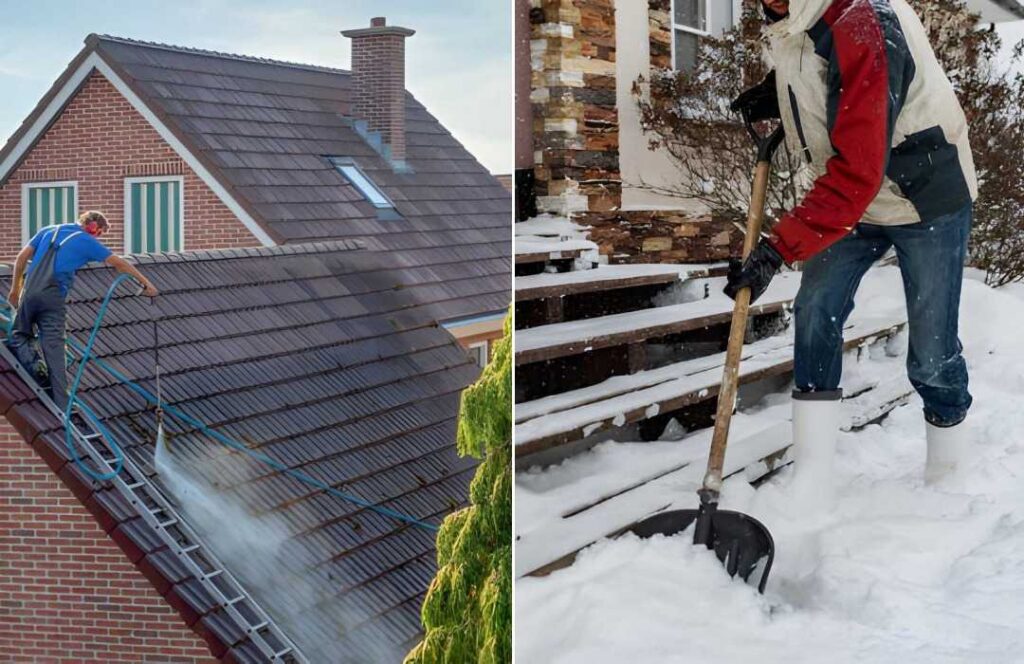
Your house needs different care in each season. Spring is for inspecting winter damage, summer is for projects and pests, fall is for winterizing, and winter is for protecting pipes and watching the roof. Skipping these chores gets expensive fast, since the average water damage claim now tops $15,000. This guide gives you all four seasonal checklists, the monthly tasks, the real budget numbers, and an honest answer for when a house is past the point of fixing.
Here’s the truth: we buy houses for a living, and almost every expensive repair we see started as a cheap chore somebody skipped. That’s why this seasonal home maintenance guide is different from the hundred other checklists online. We’re not selling handyman services or HVAC tune-ups. We’re the people who walk through homes after years of deferred maintenance and see exactly what it did to the price.
The numbers back up what we see in basements every week. Water damage and freezing claims average more than $15,000, and they make up over a fifth of all homeowners insurance claims. A clogged gutter costs about $200 to clean. The foundation problem it causes can cost fifty times that.
So this guide does two things most don’t. It tells you what to do each season, and it tells you what each skipped task actually costs, based on the houses we’ve walked through where nobody did it. Let’s get into it.
Why a Seasonal Home Maintenance Guide Beats One Big To-Do List
A seasonal home maintenance schedule works because each season attacks your house differently. Winter freezes pipes and loads roofs. Spring reveals the damage. Summer heat and humidity stress cooling systems and invite pests. Fall is your one window to prepare for it all again. Timing the work to the threat is what keeps small problems small.
One annual to-do list sounds simpler, but it fails in practice. You can’t check for ice dams in July, and you can’t blow out an irrigation system in January after the pipes already burst. The University of Georgia Extension recommends full home evaluations every spring and fall for exactly this reason. The house tells you different things at different times of year.
There’s an insurance angle too, and most homeowners have never heard it. Insurers can deny claims when the damage traces back to poor upkeep rather than a sudden accident. A pipe that bursts in a cold snap is usually covered. A pipe that leaked slowly behind a wall for eight months often isn’t. Your maintenance habit is quietly part of your insurance coverage.
Here in New York, the stakes run higher than the national average. Freeze-thaw cycles crack driveways and foundations. Nor’easters test every shingle and flashing joint. Coastal humidity feeds mold in any basement that stays damp. The checklists below are built for a real four-season climate, so if you live somewhere mild, you get to skip a few lines. Lucky you.
Spring Home Maintenance Checklist
Spring maintenance has one job: find out what winter did to your house before the damage spreads. Focus on the roof, gutters, foundation, and drainage first, because water is the enemy in every case. Then service the AC before the first heat wave, when every HVAC company’s schedule is still open.
Work through this spring home maintenance checklist from the top of the house down.
- Inspect the roof from the ground with binoculars. Look for cracked or missing shingles and damaged flashing around the chimney. The National Association of Home Builders recommends a professional roof inspection every three years, and after a rough winter is the time to book it.
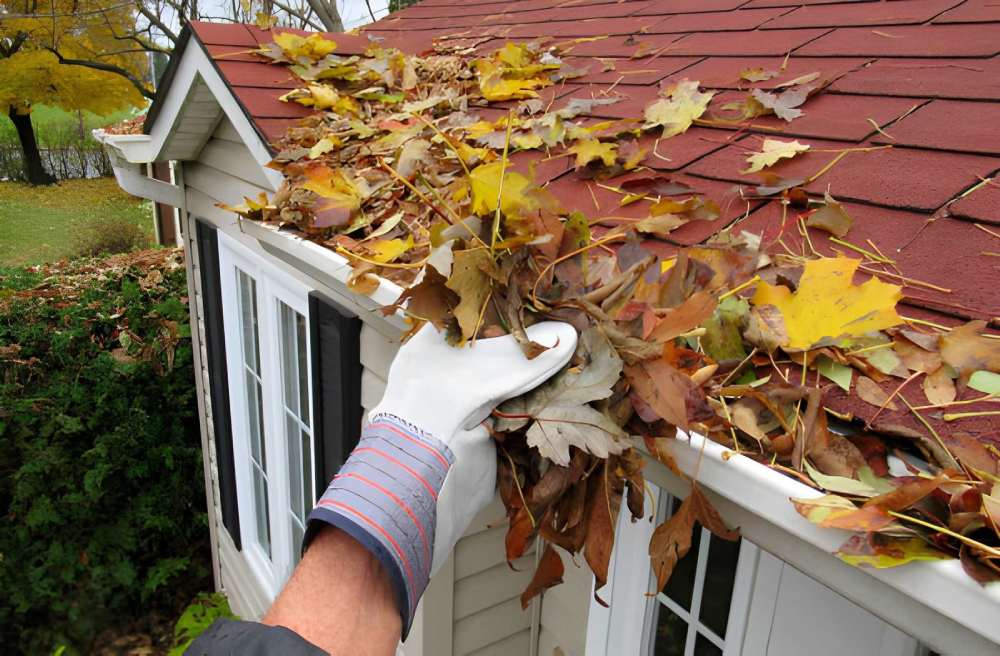
- Clean the gutters and downspouts. Zillow recommends cleaning gutters at least twice a year, and spring is round one. Confirm downspouts push water at least a few feet away from the foundation.
- Walk the foundation. Hairline cracks are normal. Cracks wider than a quarter inch, cracks that grew since last year, or any horizontal crack deserve a structural look now, not later.
- Check the grading and drainage. Soil should slope away from the house. We’ve bought more than one home where a $50 load of topsoil could have prevented a wet basement that scared off every retail buyer.
- Look for frost damage at outdoor faucets. Turn on each hose bib and hold your hand over the spout. If the flow barely changes, the pipe may have split inside the wall over winter and is leaking behind it.
- Service the air conditioning. A spring tune-up costs far less than an emergency call during the first 90-degree week, and a clean system runs cheaper all summer.
- Wash the siding by hand, not with a power washer. Grime wears down paint and masonry over time, but Zillow’s guidance is right that power washers can damage siding and brick. A hose and mild detergent do the job.
- Test the sump pump. Pour a bucket of water into the pit and confirm the pump kicks on before spring rains arrive.
- Inspect decks, railings, stairs, and fences. Probe suspect boards with a screwdriver. Soft wood means rot, and rot spreads.
One spring pattern we see constantly: a homeowner notices a ceiling stain in March, assumes it was a one-time ice dam, paints over it, and moves on. Two years later we’re standing in that same room with a moisture meter, and the “one-time” stain turned into rotted sheathing and a mold remediation bill. Spring stains are messages. Read them.
Summer Home Maintenance Checklist
Summer is the lightest season on a home maintenance schedule, which makes it the right time for projects. Handle pests and exterior wood, plus anything that needs dry weather and open windows. The goal is simple: knock out the jobs that are miserable or impossible in the other three seasons.
Here’s the summer home maintenance checklist we’d follow.
- Set ceiling fans to spin counterclockwise. This pushes cool air down and lets you nudge the thermostat up a few degrees without noticing.
- Get a termite and pest inspection. In our part of New York, carpenter ants and termites do quiet structural damage that only shows up when a wall gets opened. An annual inspection is cheap insurance.
- Trim trees and shrubs away from the house. Branches touching siding act as pest highways and trap moisture against the wall. Dead limbs over the roof are a storm claim waiting to happen.
- Clean the dryer vent. Lint buildup is a leading cause of house fires, and the fix takes twenty minutes with a brush kit.
- Touch up exterior caulk and paint. Failed caulk around windows and trim lets water into the wall assembly. A $7 tube now beats a carpentry bill later.
- Flush the water heater. Draining sediment extends the tank’s life and improves efficiency. Check your service contract first, since some include this annually.
- Lubricate garage door hardware. The NAHB advises oiling the moving parts every three months, and summer is an easy time to start the habit.
- Inspect the attic on a hot day. If it feels like a pizza oven, your ventilation is failing, which cooks shingles from below and shortens the roof’s life.
- Check irrigation heads and outdoor water features. A single broken sprinkler head can waste thousands of gallons and dump water against your foundation all season.
Summer is also when you should walk your own house like a buyer would. Stand across the street. Peeling paint. A sagging gutter. A cracked walkway. Retail buyers see all of it in the first ninety seconds, and their offers reflect it. Fixing curb appeal in July is a lot more pleasant than fixing it in a panic before a listing photo shoot.
Fall Home Maintenance Checklist
Fall maintenance decides whether winter is boring or expensive. Service the furnace, get every drop of water out of exterior lines, and seal the gaps that leak warm air. Finish this fall home maintenance checklist before the first hard freeze, not after.
In our opinion, this is the most important list on the page. Nearly every winter disaster we’ve seen traces back to a fall task that didn’t happen.
- Service the heating system. Book it in September or October. By the first cold snap, every HVAC company in New York is running weeks out, and no-heat emergencies get expensive.
- Clean the gutters again after the leaves drop. This is round two of the year, and it’s the one that prevents ice dams. Clogged gutters hold water. That water freezes, and the ice forces meltwater up under your shingles.
- Disconnect hoses and drain outdoor spigots. Shut the interior valve, open the outside faucet, and let it drain. Leave it open through winter. This single five-minute task prevents the burst-pipe claims that make up a huge share of winter insurance losses.
- Blow out the irrigation system. Trapped water splits lines underground where you won’t find the damage until spring.
- Seal drafts with weatherstripping and caulk. Check doors and windows, plus the spots where pipes and wires enter the house. You’ll feel the difference on your heating bill immediately.
- Have the chimney inspected and swept if you burn wood. Creosote buildup causes chimney fires, and flue problems push carbon monoxide back into the house.
- Reverse the ceiling fans to clockwise on low speed to push warm air down from the ceiling.
- Test smoke and carbon monoxide detectors. The NAHB recommends checking batteries twice a year and replacing the units entirely every ten years. Heating season is when CO risk peaks.
- Check attic insulation depth. If you can see the ceiling joists, you’re underinsulated, and you’re paying for it twice: once on the heating bill and again in ice dam risk.
- Fill driveway and walkway cracks. Water gets in, freezes, expands, and turns a crack into a trip hazard by March. Freeze-thaw is relentless here.
But here’s the thing about fall maintenance: it’s also when honest homeowners take stock. If you’re staring at this list knowing the furnace is on borrowed time and the roof is at year 24 of a 25-year shingle, you’re not really looking at a checklist anymore. You’re looking at a five-figure decision. We’ll cover that decision further down.
Winter Home Maintenance Checklist
Winter maintenance is mostly defense. Protect the pipes, watch the roofline for ice dams, keep the furnace breathing with clean filters, and react fast to any water stain. Cold weather punishes slow responses, so this winter maintenance checklist is short but urgent.
- Protect pipes on cold nights. Let vulnerable faucets drip and open cabinet doors under sinks on exterior walls. Never set the thermostat below 55 degrees, even when you’re away.
- Watch for ice dams. Big icicles along the eaves are the warning sign. A roof rake to pull snow off the lower few feet of roof is the cheapest prevention there is.
- Change furnace filters monthly during heavy use. A clogged filter makes the system work harder, which raises your bill and shortens equipment life.
- Use thermostat setbacks. The Department of Energy says you can save up to 10% a year by setting the temperature back 7 to 10 degrees for eight hours a day.
- Check the attic after big storms. Look for daylight coming through, damp sheathing, frost on the underside of the roof, or new stains. Each one signals a ventilation or leak problem.
- Keep exhaust vents and flues clear of snow, along with the dryer duct. Blocked exhausts push carbon monoxide back indoors.
- Watch ceilings and walls for new stains. Any water mark in winter needs attention within days. The EPA’s guidance is to dry water-damaged areas within 24 to 48 hours to prevent mold from taking hold.
- Test the sump pump before the first thaw. Snowmelt floods more basements than summer storms do.
Winter is when deferred maintenance stops being theoretical. We’ve walked into February houses where a $12 faucet cover got skipped and a pipe burst inside a wall. The owner was suddenly living through a gutted kitchen and an insurance fight. Small chores, big consequences.
The Monthly Tasks That Belong on Every Home Maintenance Schedule
Some tasks don’t follow the seasons. Once a month, change or check HVAC filters, test smoke and CO detectors, scan under every sink for moisture, and glance at the water heater for rust or pooling. Ten minutes of monthly attention catches most problems while they’re still cheap.
The monthly habit matters because water damage rarely announces itself. Fewer than 20% of homeowners take basic precautions against water damage, like checking appliance hoses, even though roughly 1 in 60 insured homes files a water or freezing claim every year. The homeowners who catch leaks early are simply the ones who look.
One trick we recommend to every seller and every buyer: the water meter test. Turn off every fixture in the house and note the meter reading. Wait an hour without using water, then check it again. If the number moved, something is leaking somewhere, and you just found it before your floor did.
Add these to the monthly rotation: run water in rarely used sinks to keep drain traps sealed, clean the range hood filter, check that GFCI outlets trip and reset properly, and eyeball the washing machine hoses for bulges. None of this is glamorous. All of it is cheaper than the alternative.
How Much Does Home Maintenance Cost Per Year?
Plan to spend 1% to 4% of your home’s value on maintenance every year. Lowe’s puts newer homes at the low end and homes over ten years old at the high end. On a $500,000 house, that’s $5,000 to $20,000 a year between routine upkeep and the big-ticket items that come due.
That range surprises people, so let’s be straight about it. You won’t spend it evenly. Some years cost $2,000 in filters, tune-ups, caulk, and small fixes. Then year eight hands you a $9,000 roof section or a $7,000 boiler, and the average catches up with you. The homeowners who get hurt are the ones who treated the quiet years as the normal ones.
Our honest take for this region: budget the high end. Much of the housing stock on Long Island and in the boroughs is 50 to 100 years old, labor costs run well above the national average, and four real seasons mean the house never gets a year off. A 1% budget on an older New York home is wishful thinking.
If you want a simple tool to stay organized, Fannie Mae publishes a free printable seasonal home maintenance checklist you can stick on the fridge. Print it, and put a dollar figure next to each line you complete. Watching the prevention total stay under the claim average is its own motivation.
What Deferred Maintenance Does to Your Home’s Value
Deferred maintenance costs you twice: once in the repair that got bigger, and again at the sale, where buyers discount for problems more aggressively than the fixes would have cost. In our experience buying homes across New York, visible neglect doesn’t subtract from an offer. It multiplies the subtraction.
Here’s how it plays out. A retail buyer’s inspector finds the soft spot on the roof, the stain in the basement, the corroded water heater, and the outlet that won’t trip. The buyer doesn’t price the repairs like a contractor. They price them like a nervous person imagining the worst, then they ask for credits, then half the time they walk anyway and the listing goes stale. Every agent in the country has watched this movie.
The compounding is what most checklists never explain. Water is almost never a one-line repair. A missed flashing leak becomes wet sheathing, then soaked insulation, then stained drywall, then mold, and by the time it’s visible from the hallway, four trades are involved. The FEMA estimate that a single inch of water can cause around $25,000 in damage sounds dramatic until you’ve priced out what one inch actually touches.
We say this as the people who buy these houses: the maintenance you do this season is the strongest negotiating position you’ll ever hold as a seller. And when the maintenance didn’t happen, for whatever reason life handed you, there’s still a clean way out. That’s next.
When the Smarter Move Is Selling As-Is
Sometimes the honest math says stop maintaining and sell. If the repair list exceeds what you can fund or manage, if the home is vacant and deteriorating, or if you inherited a property with years of deferred work, selling as-is for cash can net you more peace and comparable money once you subtract repairs, commissions, staging, and months of carrying costs.
We built MrCashBuyer for exactly these situations. We make cash offers on houses across New York in as little as 24 hours, and we buy in any condition with no commissions or hidden fees. Fire damage. A failed roof. A flooded basement that never got fixed right. We’ve seen all of it, and none of it scares us off.
A few situations where our phone rings most:
- Vacant properties. An empty house deteriorates faster than an occupied one, and insurance gets complicated. We buy vacant houses for cash so the clock stops running.
- Tired landlords. Deferred maintenance plus tenants is a hard combination. We purchase rental properties even with tenants in place.
- Inherited homes. When a parent’s house needs 20 years of catch-up work, siblings rarely want to fund it. A fast as-is sale settles the estate without the renovation.
- Local sellers who just want it done. We work throughout Long Island, including Suffolk County and Nassau County, plus Brooklyn and Queens.
To be clear, if your house is in good shape and you have time, listing with an agent may earn you more. We’d rather tell you that than pretend otherwise. But when the maintenance backlog is the problem, a no-obligation cash offer costs you nothing to hear. Call MrCashBuyer at 631-388-6640 or request your offer online, and you’ll have a real number within a day.
Seasonal Home Maintenance FAQ
Which season is hardest on a house?
Winter does the most damage in cold climates, but fall determines how bad it gets. Freezing water is behind the biggest claim categories, from burst pipes to ice dams, and nearly all of it is preventable with October work. In hot, humid regions, summer takes the title through roof heat stress and constant storm moisture.
How often should HVAC systems be serviced?
Twice a year: cooling in spring before the first heat wave, heating in early fall before the first freeze. Between visits, change filters every one to three months, and monthly during heavy winter use. Two tune-ups a year typically cost less than a single emergency no-heat or no-cool service call.
Which maintenance tasks should I never DIY?
Leave gas appliance repairs, electrical panel work, chimney flue repairs, and steep roof work to licensed pros. A good rule: if a mistake could cause a fire, a CO leak, a fall, or a flood, hire it out. DIY the filters, caulk, gutters on a single story, and hose bibs instead.
Can skipping maintenance void my homeowners insurance claim?
It can sink specific claims. Policies generally cover sudden, accidental damage but exclude losses from gradual leaks and long-term neglect, and adjusters look for exactly that. Documenting your maintenance with dated photos and receipts gives you evidence that damage was sudden, which can be the difference in a payout.
Should I fix everything before selling my house?
No. Fix cheap, high-visibility items like leaky faucets, dead bulbs, torn screens, and gutter cleaning, which return more than they cost. Major projects like roofs and kitchens rarely return their full price at closing. If the repair list is long, compare contractor bids against an as-is cash offer before spending a dollar.
The Bottom Line
A house rewards rhythm. Two big checkups a year and a short list each season. Add ten minutes a month, and you’ll dodge the five-figure surprises that catch everyone else. Now you know exactly what to do and when, which puts you ahead of most homeowners on the block.
And if you’re reading this realizing the house is already years past the checklist stage, that’s okay too. Call MrCashBuyer at 631-388-6640 for a no-obligation cash offer, and find out what your home is worth exactly as it sits today.